
Biophilic Design at Home: A Practical Guide to Bringing Nature Indoors
Biophilia, a concept introduced by German social psychologist Erich Fromm in his 1973 book, describes the innate human connection with nature. Biophilic design integrates natural elements into the architectural and interior design to create built environments that support human wellbeing and reap nature's benefits indoors.
The benefits of biophilic design are numerous and far-reaching, from reducing stress to accelerating healing to improving productivity.
One of the most well-known key advantages of Biophilic Design is creating a sense of calm and tranquillity within the home. However, Biophilic Design goes deeper; it's about re-creating our outdoor experience indoors: connecting with nature's cycles and rhythms, mystery and the sense of adventure, and having open vistas and sheltered cocoons. Biophilic Design can serve people and structures in many profound ways.
In this article, I will uncover simple ways to apply some of the many Biophilic Design elements to create a harmonious environment that promotes relaxation, mental clarity, calm, serenity, and rejuvenation in your home space.
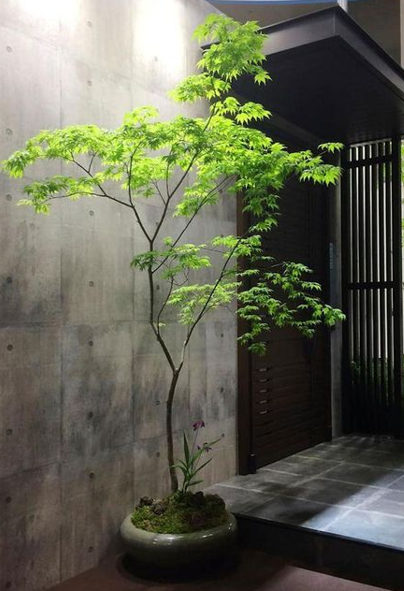
1- Introducing Plants
Adding a variety of houseplants instantly infuses your home with natural beauty and brings nature into your interior world. If possible, consider using large plants or clusters of small ones to maximize the impact. Avoid plastic pots and use clay or stone with good drainage and suitable light.
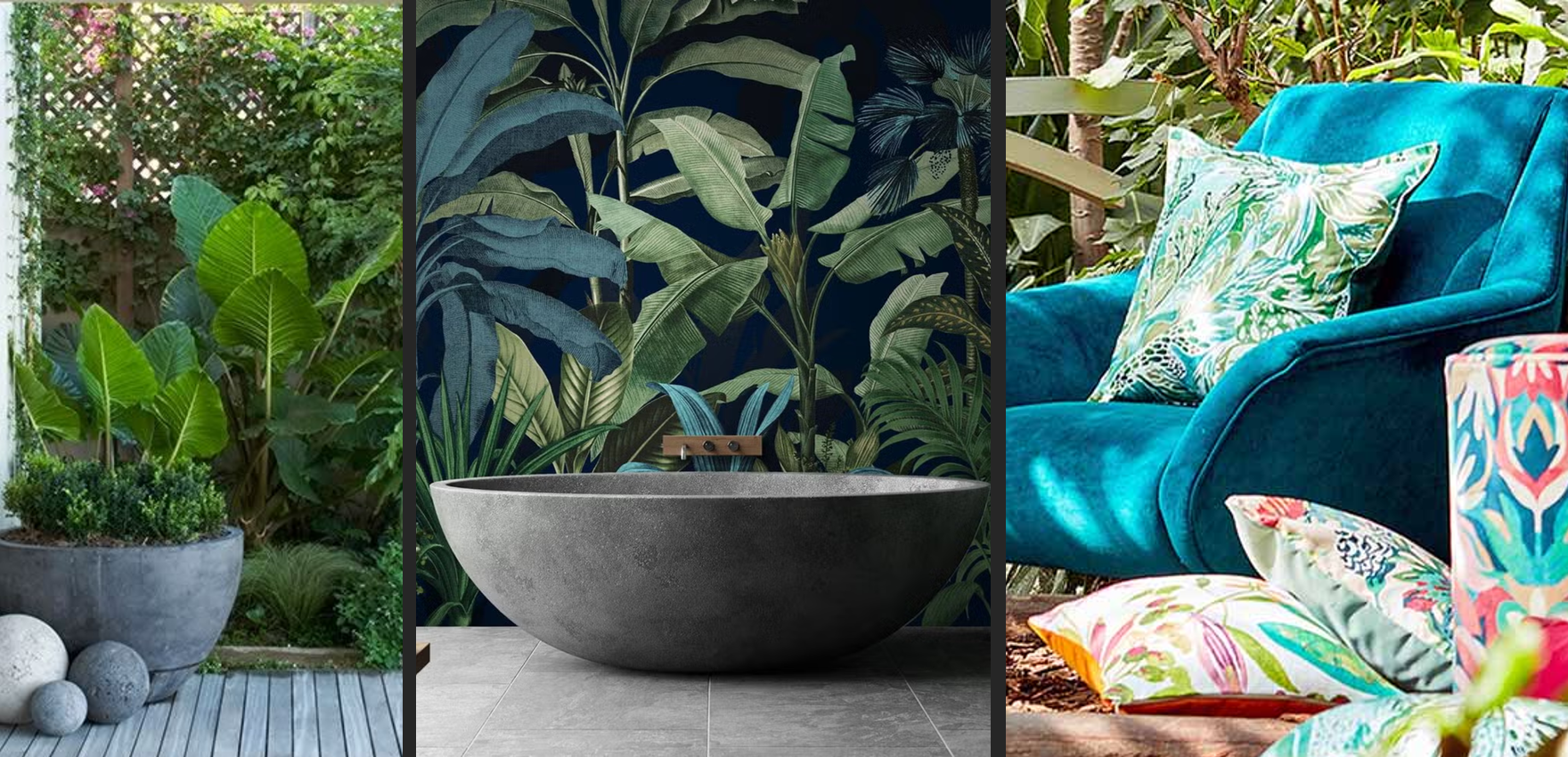
If your space isn't suitable for maintaining healthy plants, you can use botanical wallpaper, fabrics, or art representing nature. When we see representations of nature, our brains respond similarly to being in a real natural setting. Studies conducted in hospitals in the 1970s showed that patients experienced lower blood pressure, improved heart rate, and reduced complaints when they had art representing landscapes in their hospital rooms.
2- Enhancing Lighting
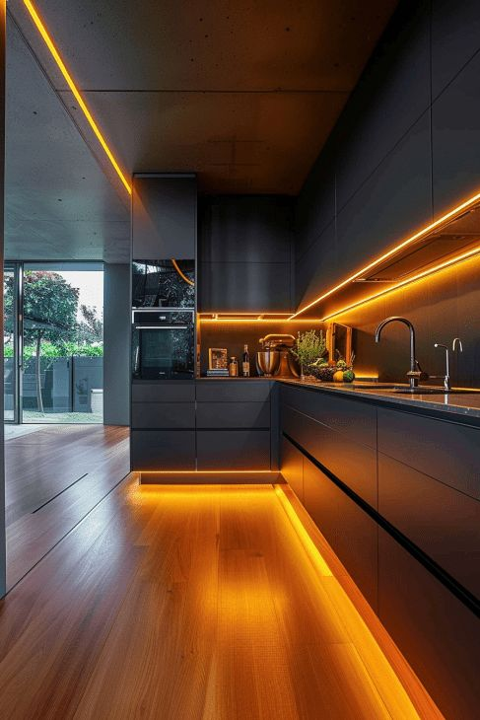
Maximize natural light by strategically positioning furniture and using light and airy window treatments. Natural light not only brightens the space and creates a warm and inviting ambiance but also enhances the mood, increases the energy and regulates sleep.
When your space isn't oriented towards ample natural light, lighting technology has the answers. Use bulbs with different colour temperatures that mimic sunlight at different times of the day so you stay in sync with the natural world while indoors. Use different fixtures for general lighting, mood lighting, and task lighting.
Photo by Home Companion
3- Integrating the Natural Elements
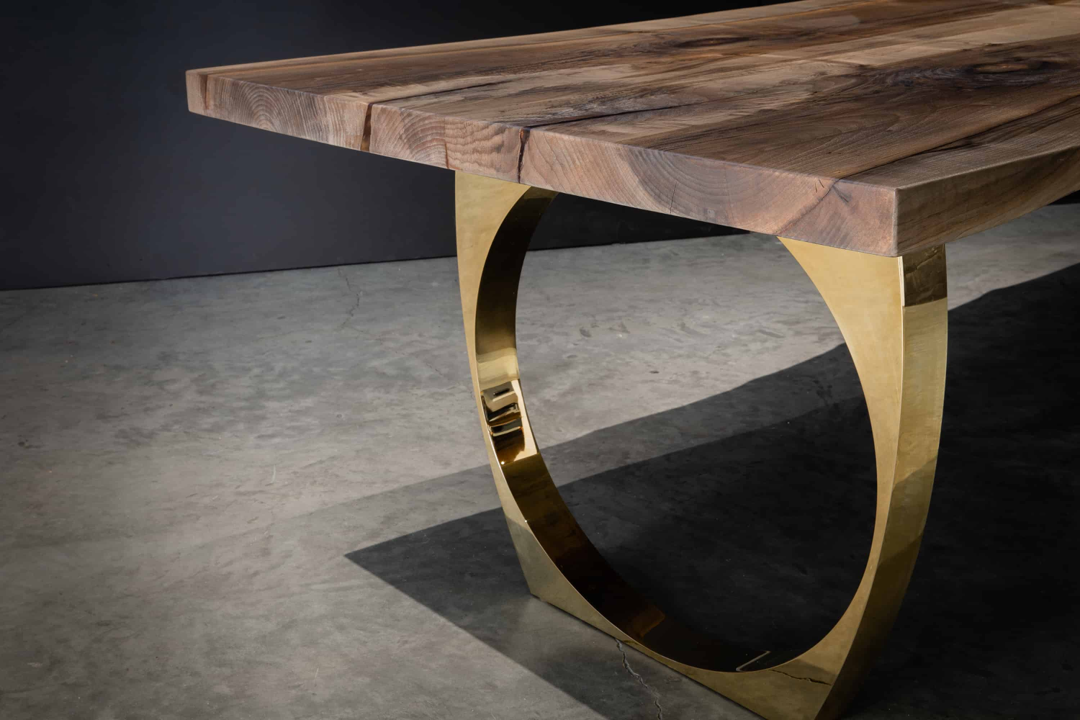
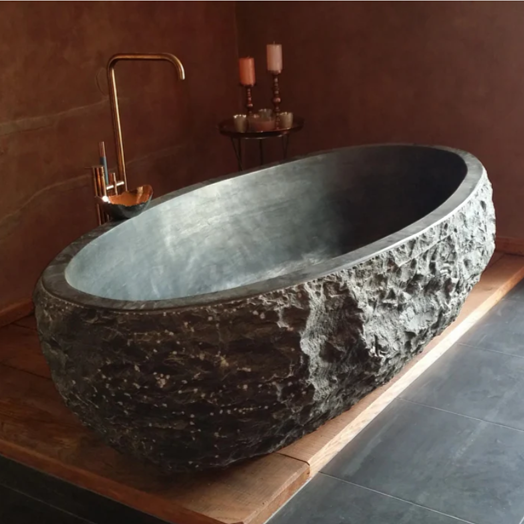
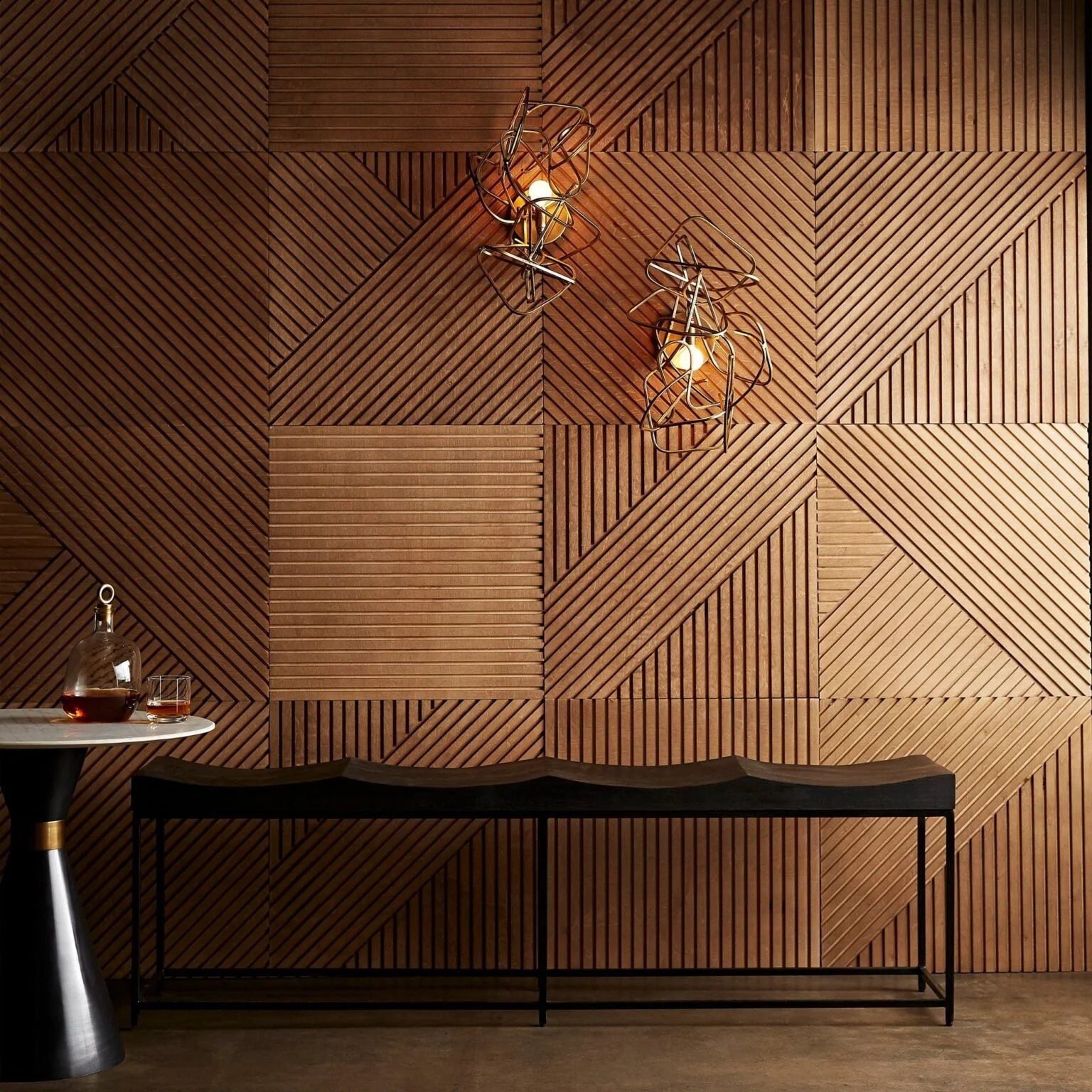
Consider incorporating natural elements like wood, stone, metal, and earth when designing your interior. These elements can add an earthy elegance to your space and further connect you with the natural world. Clay paint is now widely available and suitable for contemporary and eclectic styles. This material represents the earth and contributes to good indoor air quality. It's also essential to bring water and fire elements into your design, whether through integrating a water feature, fireplace, or candles or using colours that represent these elements: blue or black for water and red or orange for fire. Using natural materials also contributes to sustainability efforts, helping to reduce our environmental footprint and improving indoor air quality. To learn more about the clay plaster for walls instead of paint, you can check out the article Earth in Your Home.

4- Placing Nature Inspired Art
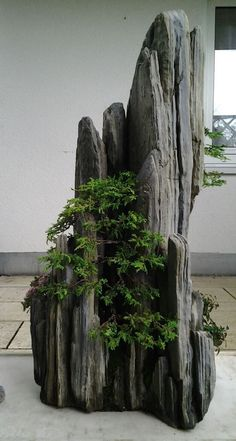
Choose artwork and decor that reflects the beauty of the natural world: landscape paintings, botanical prints, and nature-inspired sculptures can bring the outdoors inside, adding visual interest and a sense of connection to nature.
Art by Marie France
5- Adding Texture
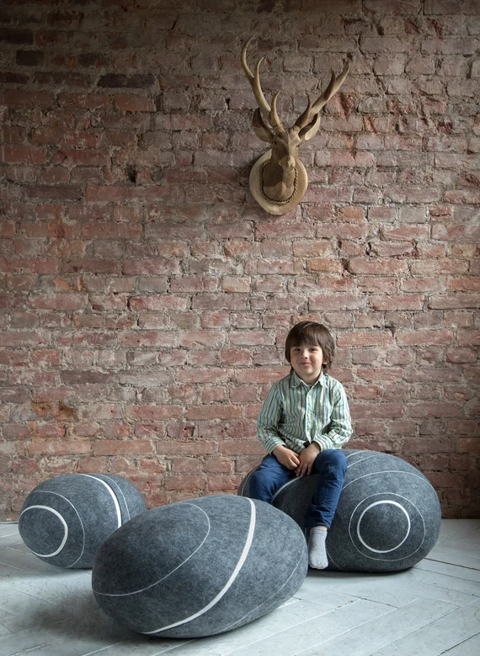
Texture is often an overlooked element in interior design, but it can play a significant role in creating a more sensory-rich environment. Have you ever noticed that when you're shopping for clothes or furniture, you often touch the items to feel their texture? You might be checking to see if they're real or fake, soft or smooth, or rough. By incorporating a variety of textures in your home, such as rough stone, smooth wood, or soft fabrics, you can create a more engaging and nature-inspired space.
Image by Katsu
6- Scent & Sound
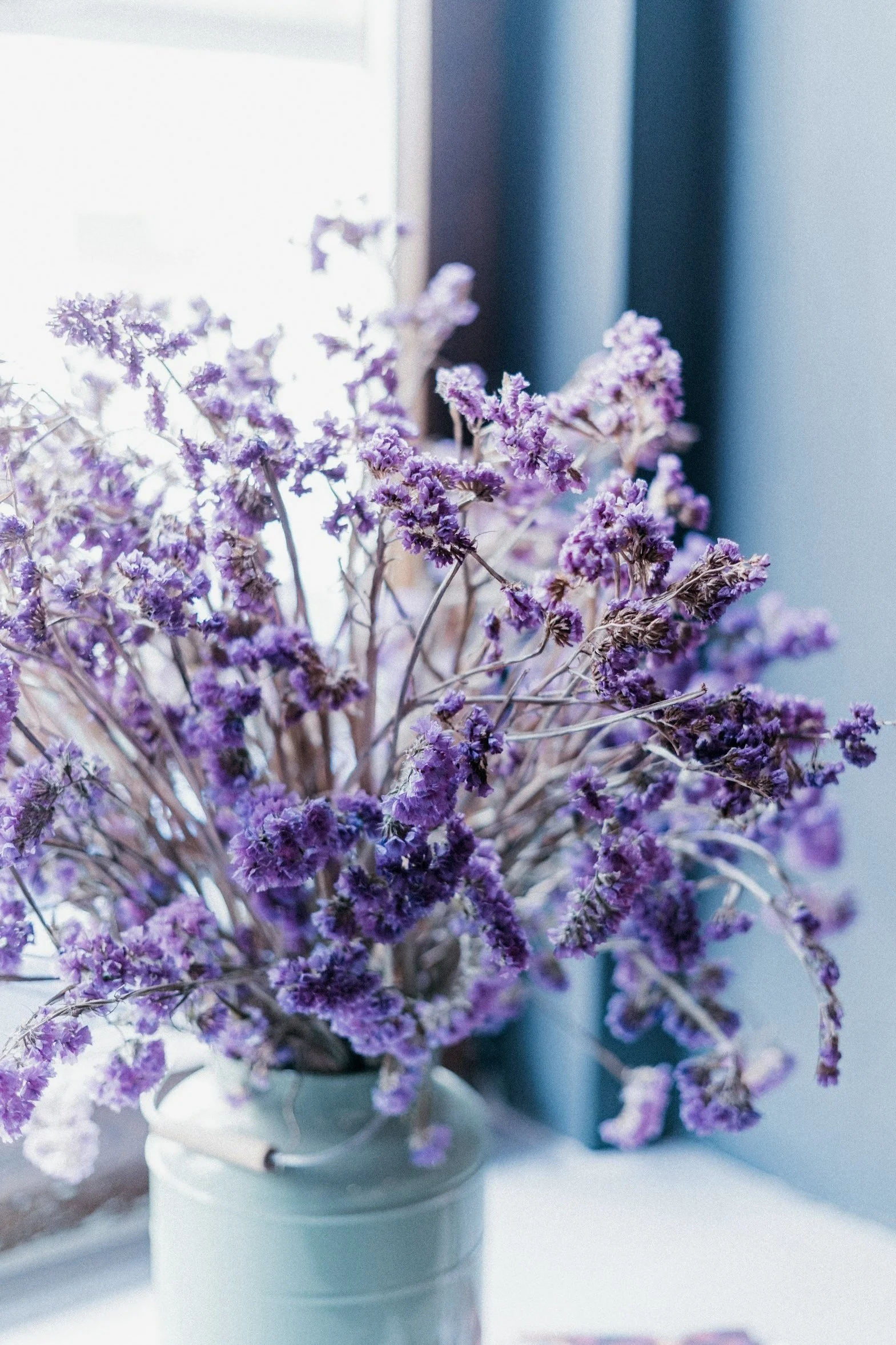
Bring the scents and sounds you love in nature into your space. Whether it's the scent of pine, lavender, or rose, the sound of waves crashing on the shore, certain birds, or the forest symphony, to keep good air quality, avoid common air fresheners and artificial scents but rather use real plants and herbs or defusers with essential oils.
7- Enhancing Air Quality
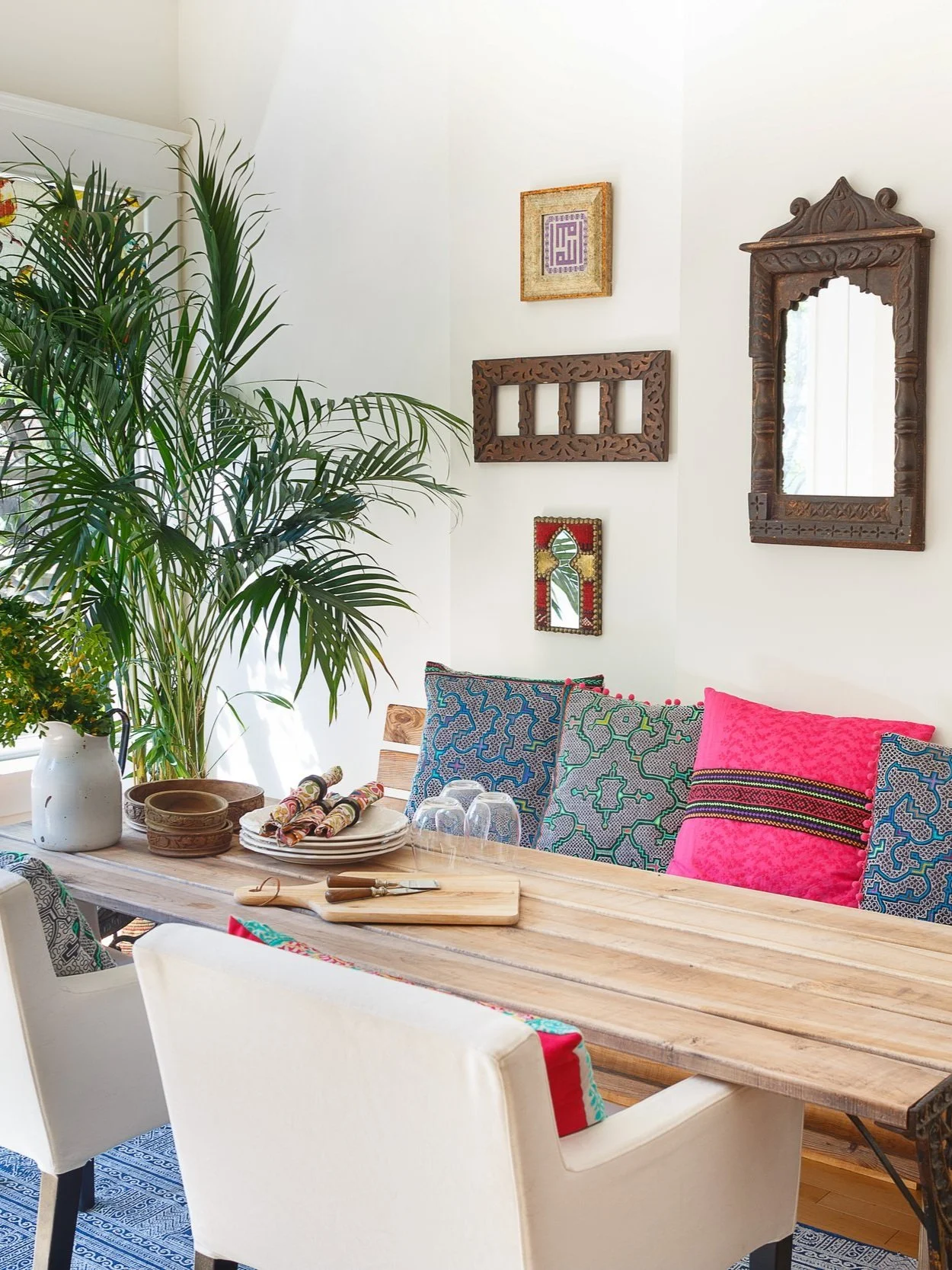
Biophilic Design also addresses the air quality. Many articles mention that we can purify the air by introducing plants and greenery indoors. This is partially correct but not entirely. Many common houseplants can remove different toxins from the air; however, to achieve this, the volume of space, the number of people and animals, and the size of the plant must be considered. Briefly, to get the plants to purify the air in your home, you need to transform it into a jungle!
So, to make sure the air quality in your home is supporting you, make sure to use an exhaust fan in the kitchen while cooking, install a high-quality air filter on your HVAC system, adjust the humidity to suit you and change it with the seasons, avoid attached garages or make sure you have different ventilation systems and good insulation between the garage and the home. When in doubt, hire a company to test the air quality in your home.
We are designed as part of the natural world, connected to its processes, rhythms, and cycles. Biophilic Design addresses all the elements essential to reconnecting us to the natural world while indoors or in urban environments and offers a wealth of benefits that can significantly enhance mental wellbeing, improve function, and create a more sustainable, eco-friendly living environment.
Whether revamping your entire home or adding a few natural touches, embracing Biophilic Design is a powerful way to enrich your living space and elevate your overall quality of life.
To dive deeper into the world of Biophilic Design, follow this link.
With Joy and Delight!
Nora Bouz, Place Maker, Designer
I bring this way of thinking to every project, no matter the scale. Explore our home design, cohousing and community housing, clinics and wellness centres and workplace services.