
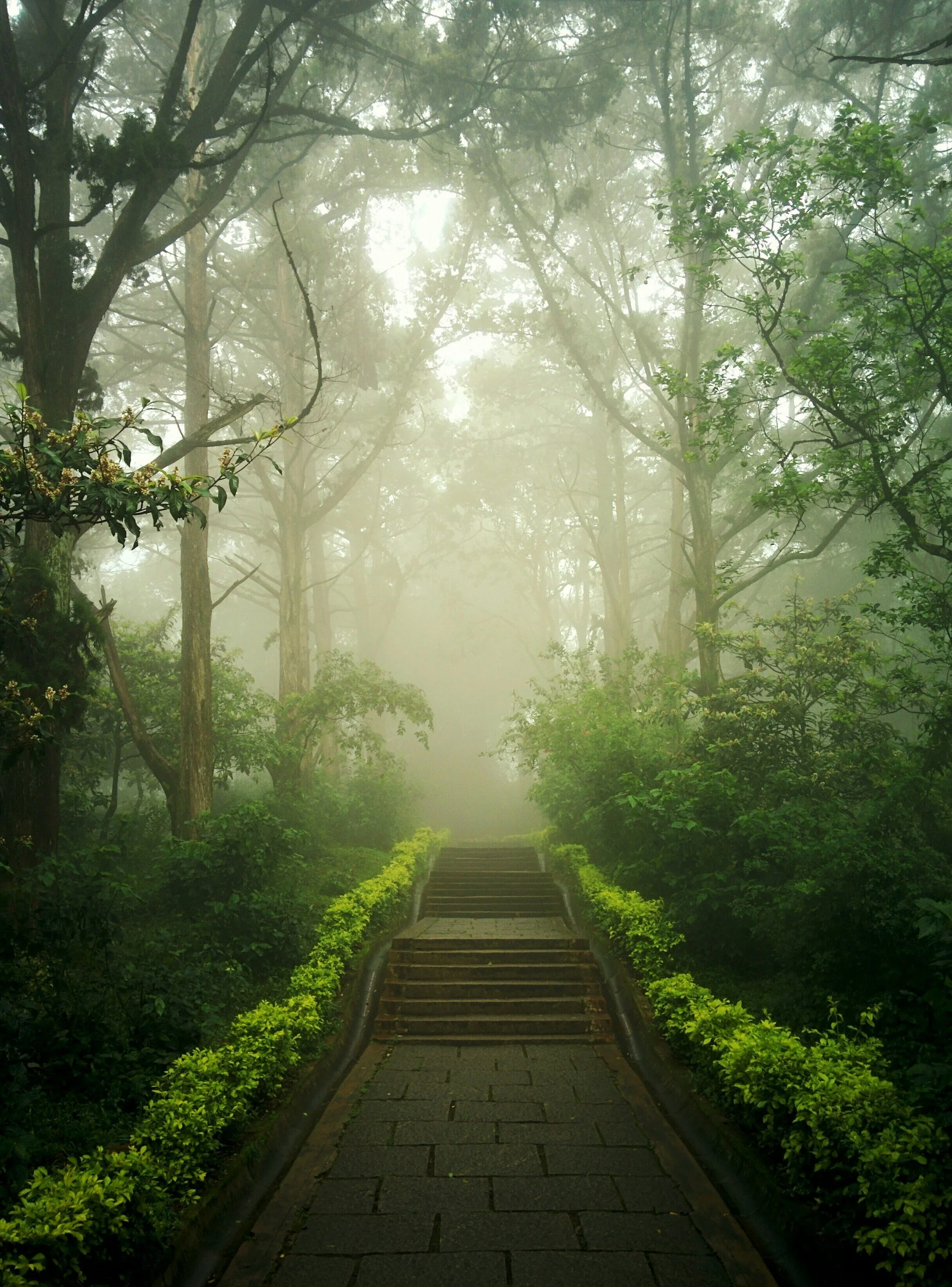
BIOPHILIC DESIGN
We are designed as part of the natural world, connected to its processes, rhythms, and cycles.
To integrate the natural world into the spaces where we live, gather, work, play, and heal, and to enhance the human experience in the built environment, we need to engage all the senses.
Sight
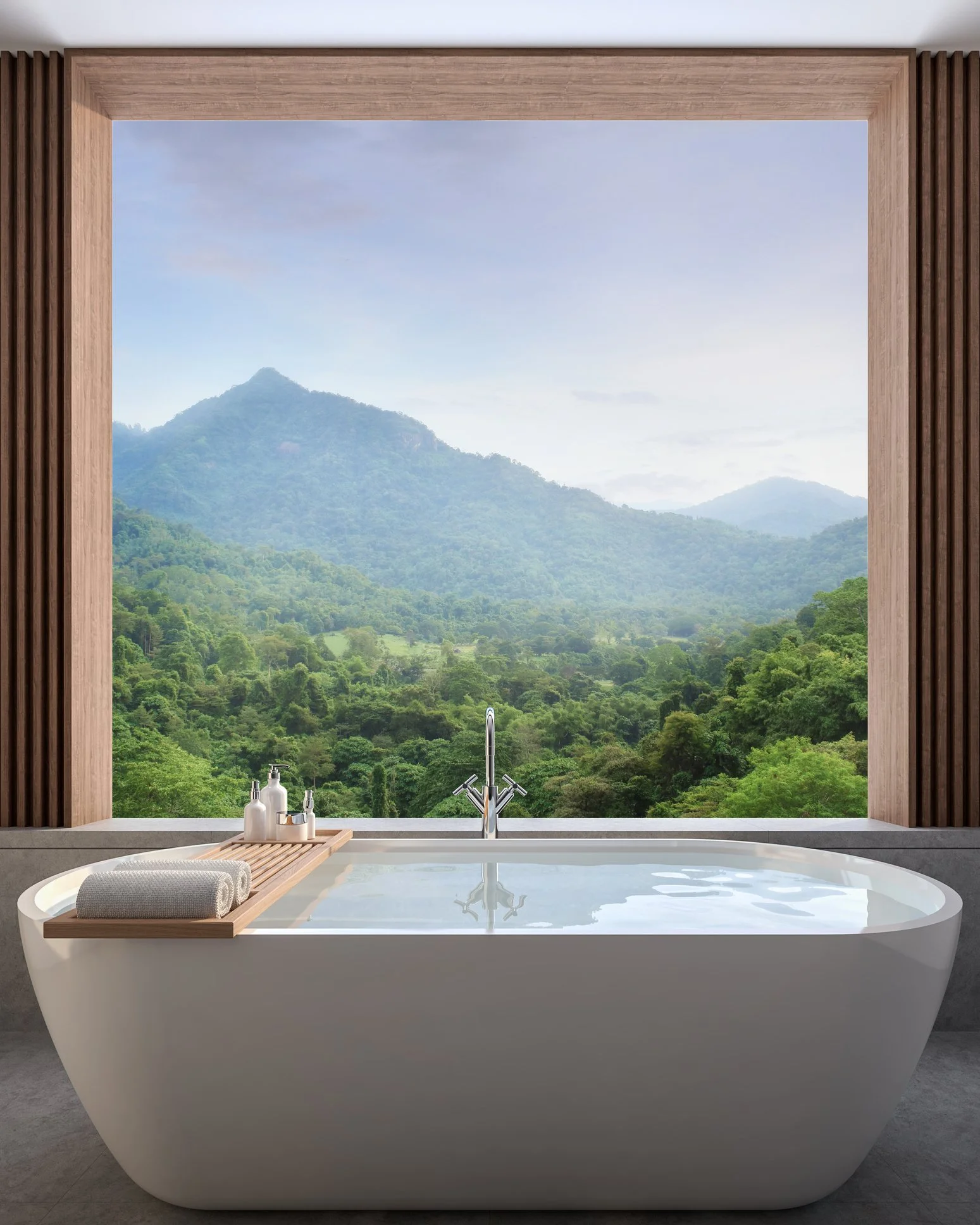
Visual connection with the natural world, its cycles, rhythms and processes invigorates us, bringing beauty and feelings of peace and calmness. It is essential to set a harmonious conversation between the structure, the interior, and the landscape, considering the people’s authentic sense of style and needs.
With a focus on the organic and implied elements of the natural world, we use components with connections to nature to cue the brain and spark the same sense of wellbeing as the natural world. Using gentle, ordered or complex natural design elements such as light, colour, materials, forms, patterns, and artwork that can trigger our biophilic human link to nature and inspire a rich, perhaps subconscious sense of wellbeing.
Natural Light & Lighting Design - Connecting with the sun’s cycle
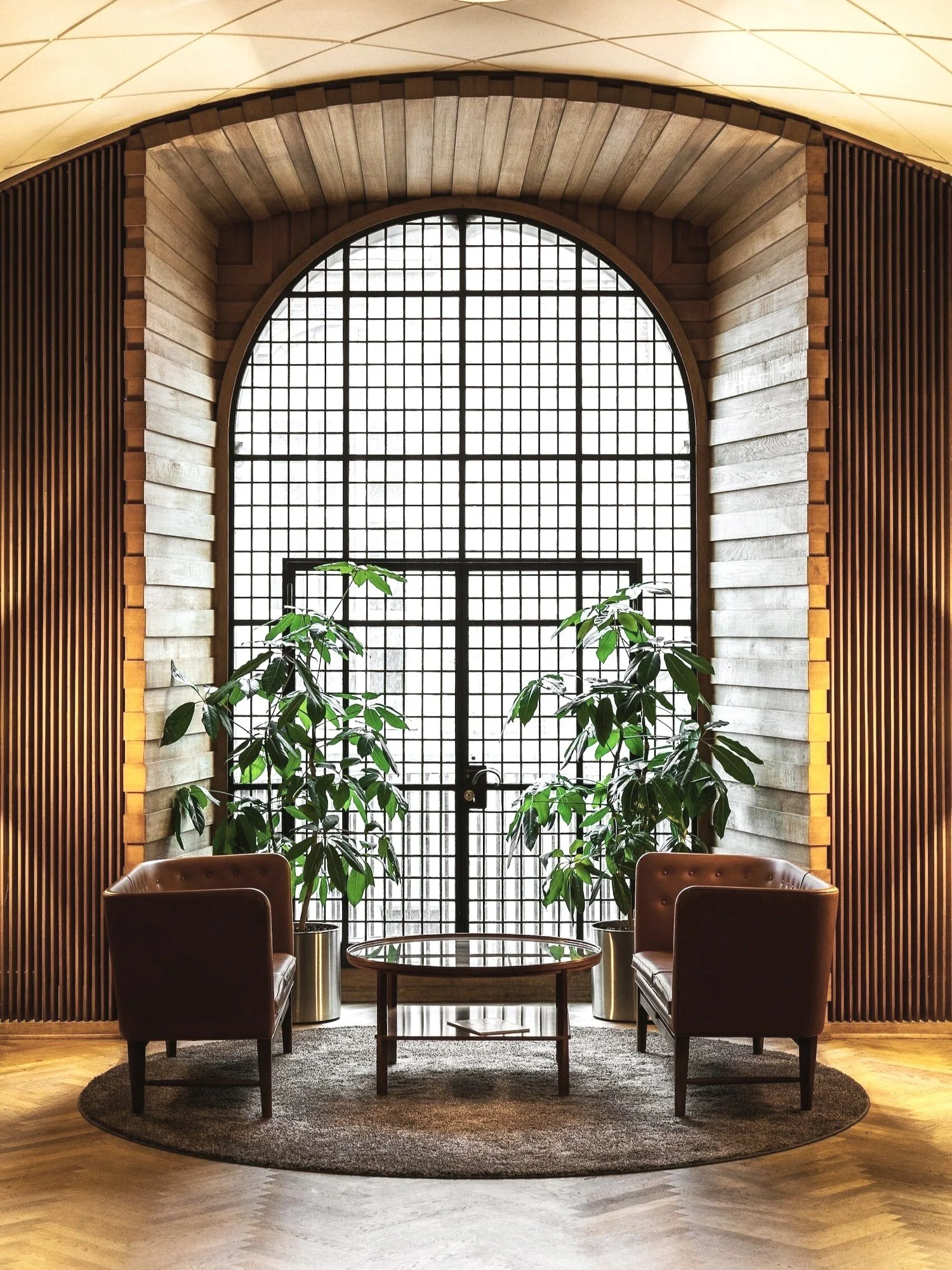
Maximizing natural light in interior spaces keeps us connected with the natural world and helps to regulate our sleep/wake cycle; however, when the structure and location face limitations, alternative lighting and innovative technology can compensate and even approach the benefits of full-spectrum illumination. Colour temperature, colour rendering, function, people's age, and desired moods are some of the factors we consider in the design process.
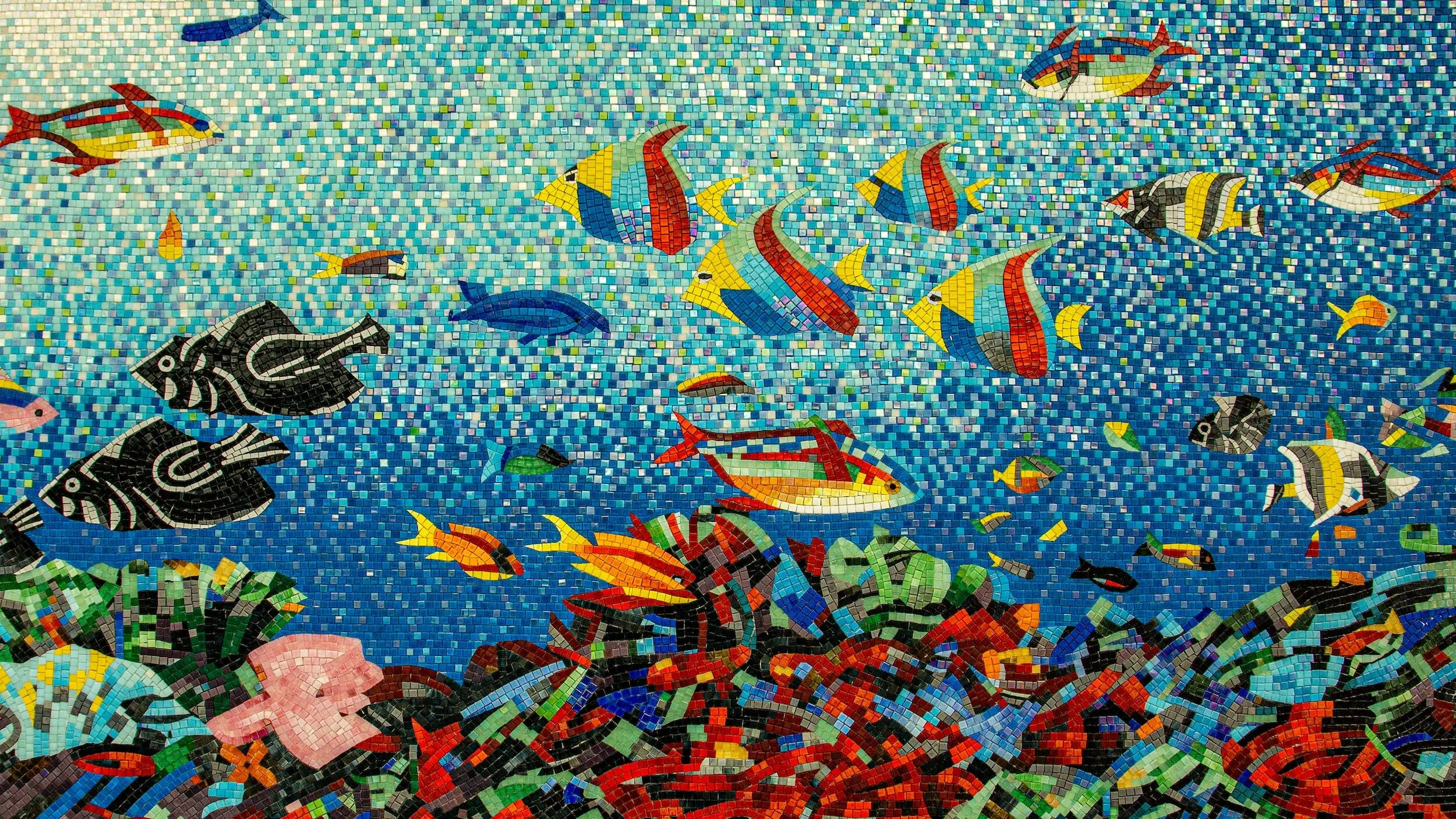
Colours have a significant impact on our emotions, energy levels, and even how we respond to various events. The right colours, palettes, and combinations can enhance energy, improve mood and focus, and foster feelings of belonging. Conversely, when misused, colours can evoke feelings of loneliness, agitation, boredom, or other negative emotions.
We use colour layering techniques to support desired moods and emotional states. Even in nature, one leaf might appear to have a single colour, but reveals a multitude of tones upon closer inspection. This is why colour layering is essential when working with colours.
Nature’s Colours & Colour Design
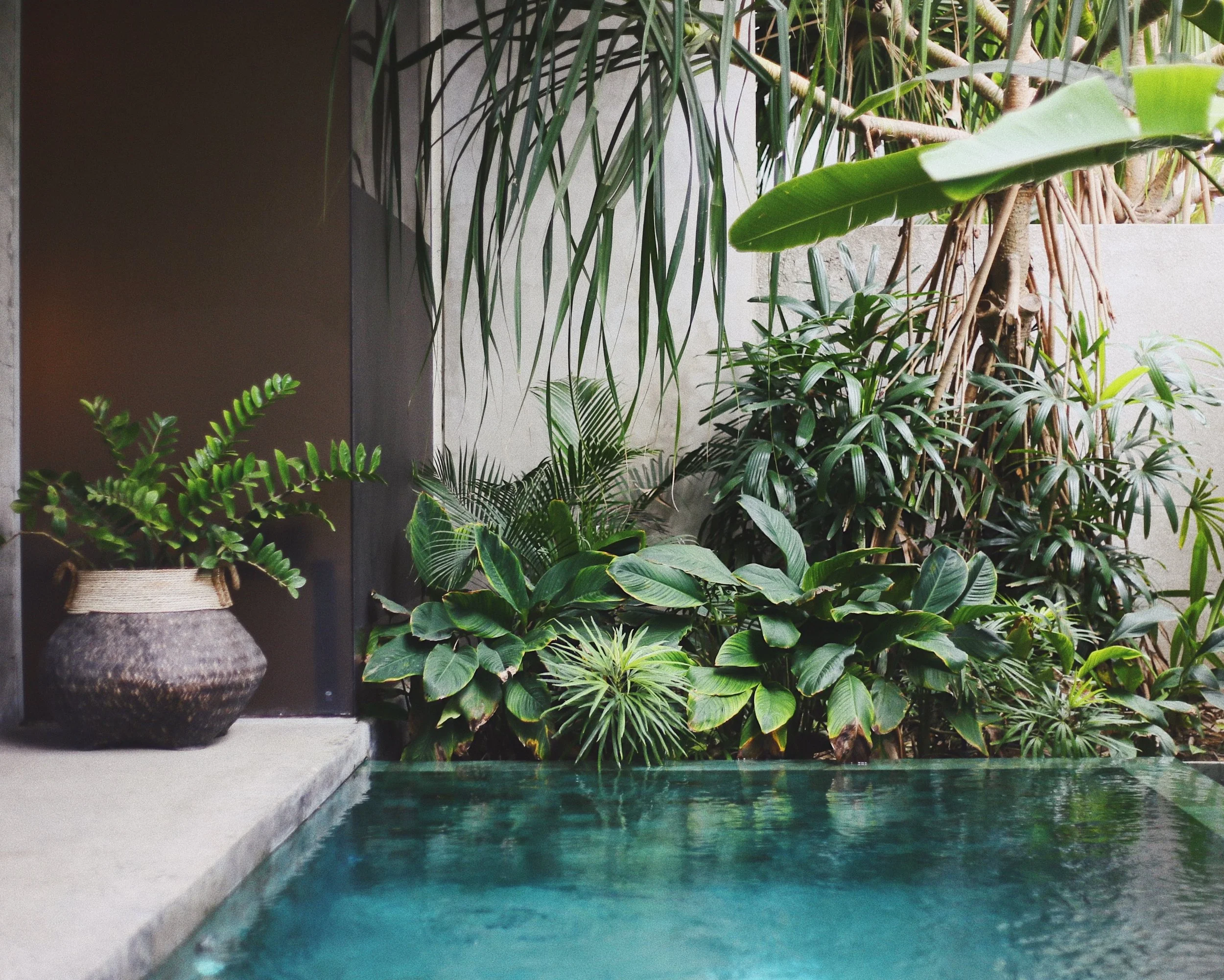
Each natural element brings a different energy and invokes a different mood.
The sound, colour and feel of water in our surroundings will bring calmness and serenity, while the view of the fire, its crackling sound and warm colours will ignite our own passion and enthusiasm and increase intimacy and warmth. Wood brings a sense of strength and growth and can support the creative process, while the element of earth harnesses strength, grounding, and stability. Metal, on the other hand, brings the energy of analytical ability, mental clarity, logic and focus.
Balancing the elements indoors while working with the elements outdoors is essential to create harmony, which is important for our physical and emotional bodies.
Natural Elements
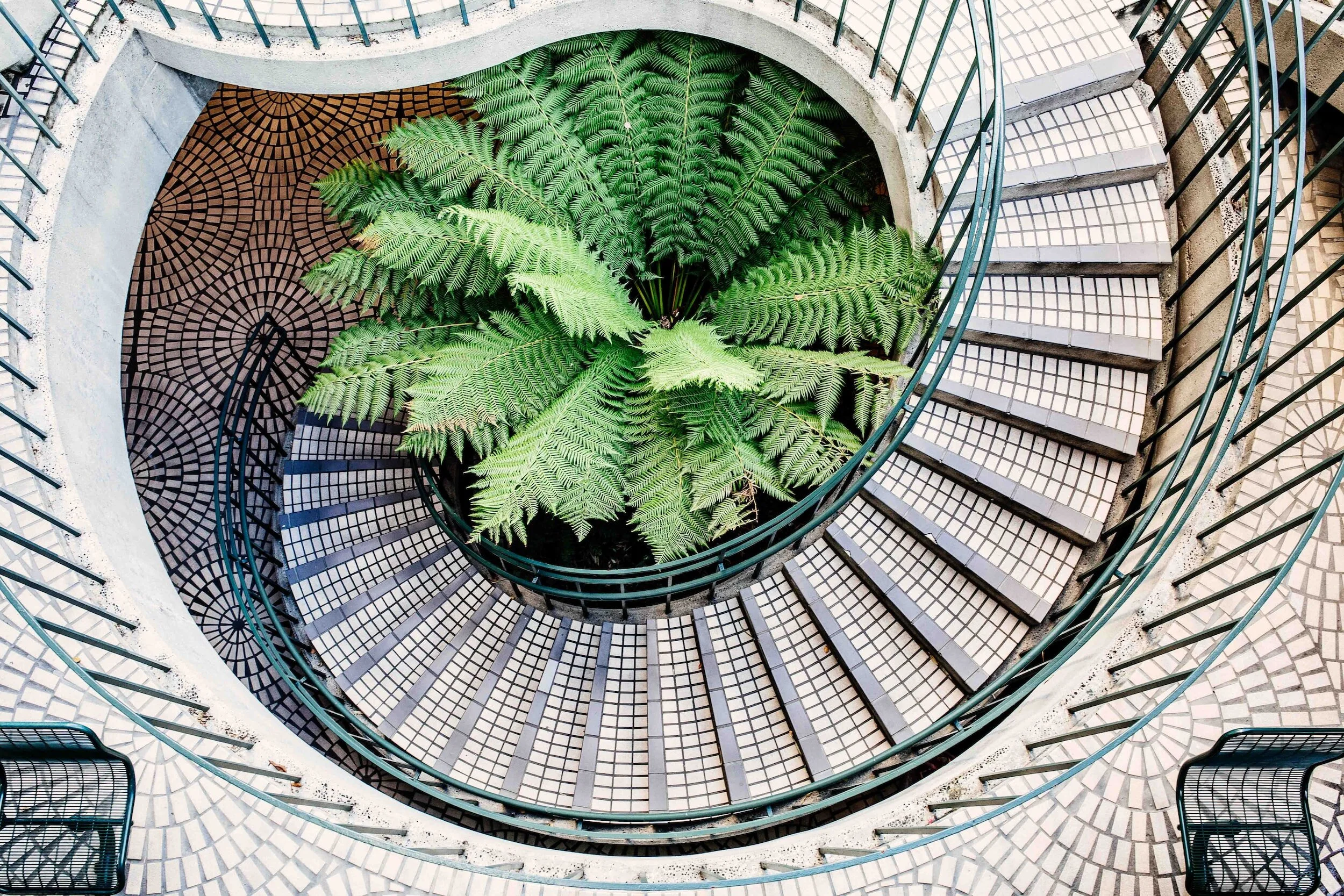
Natural elements and even representations of them create comfortable, nurturing, and captivating spaces. Patterns can be found everywhere: flowers, tree branches, snowflakes, nautilus shells… The most commonly found patterns in nature are:
Symmetry, Spirals, Fractals, Tessellations.
Integrating natural patterns would add yet another layer to the nature connection and strengthen the dialog between structure and nature.
Forms & Patterns
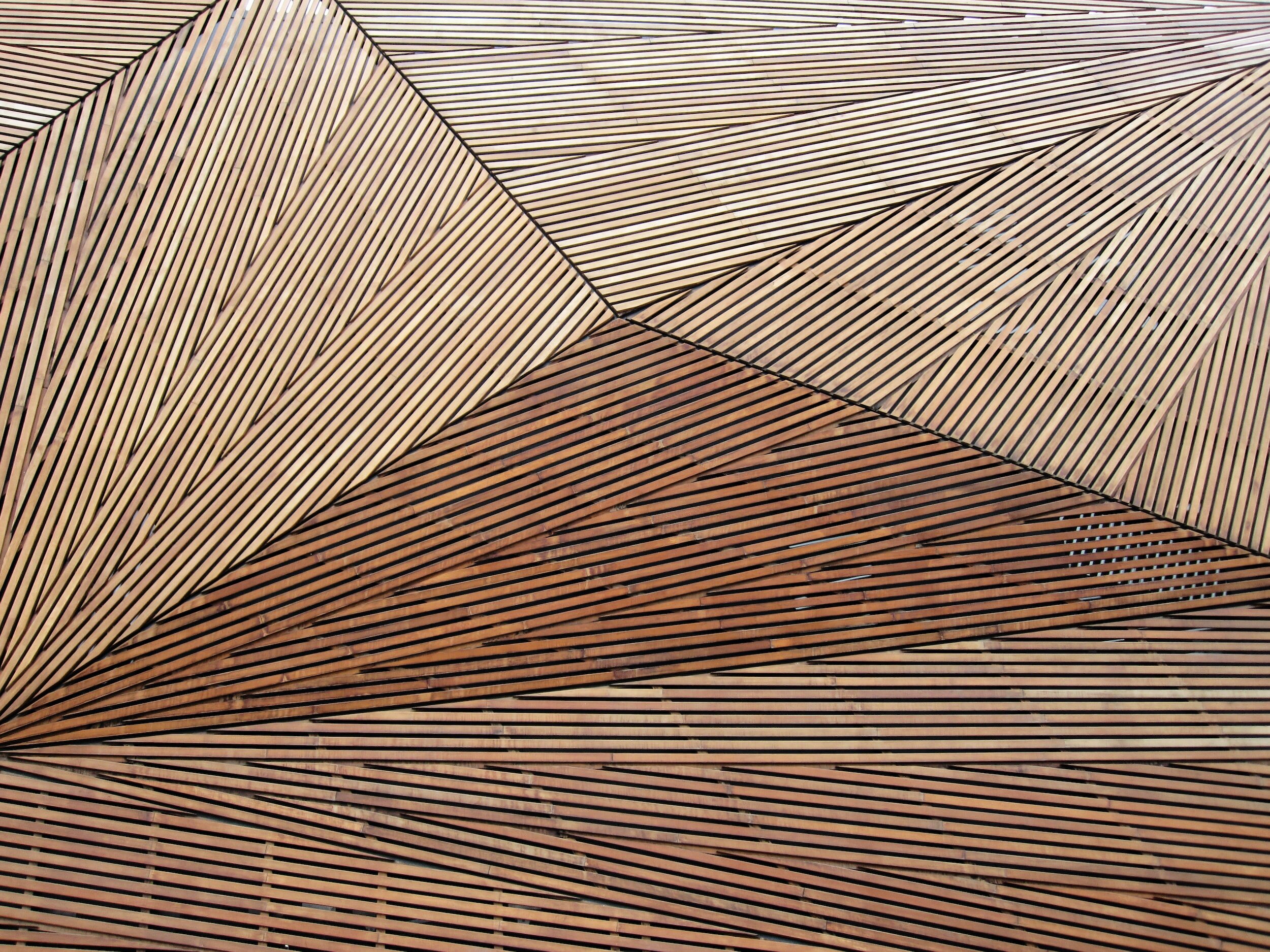
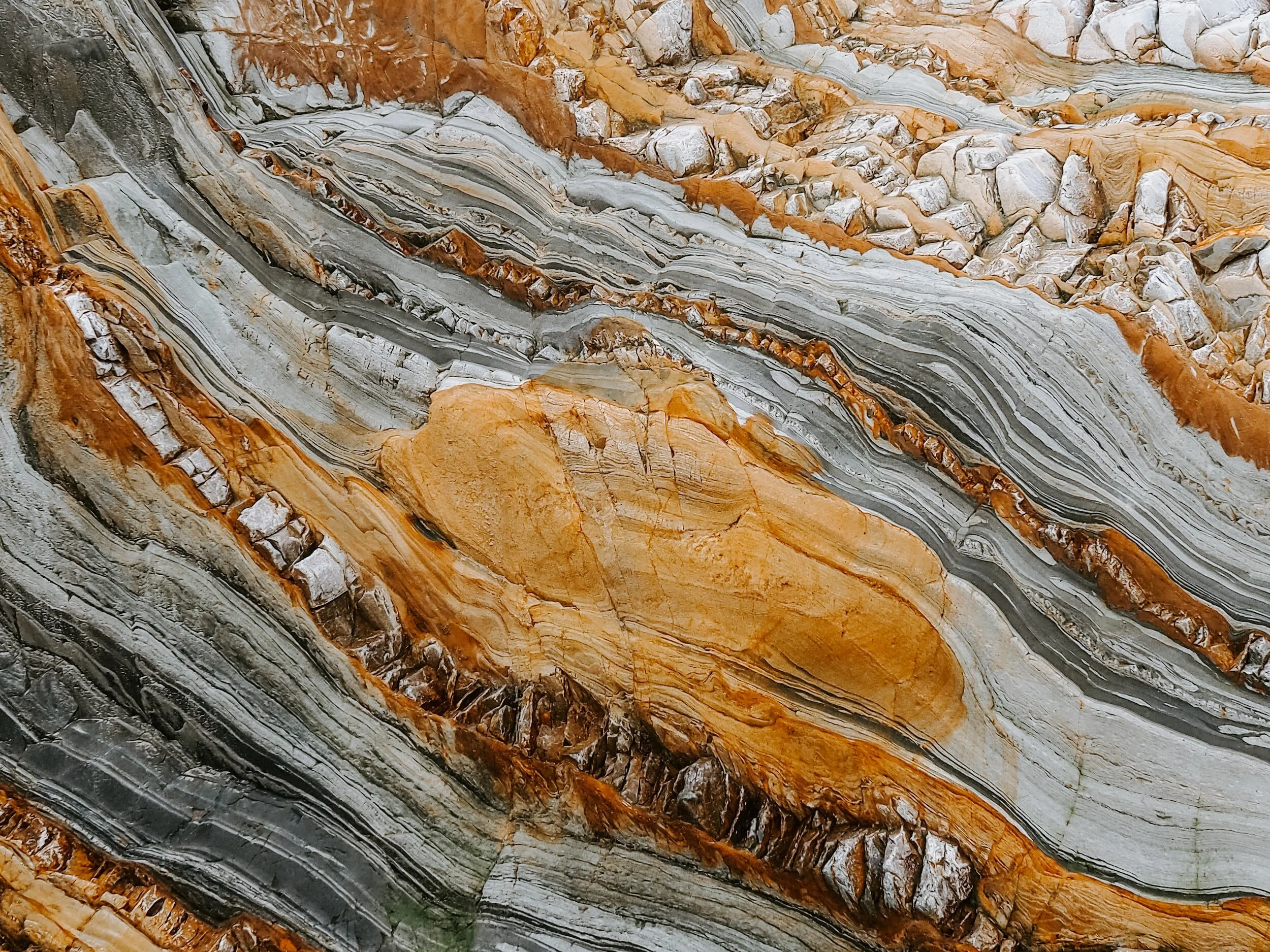
Touch
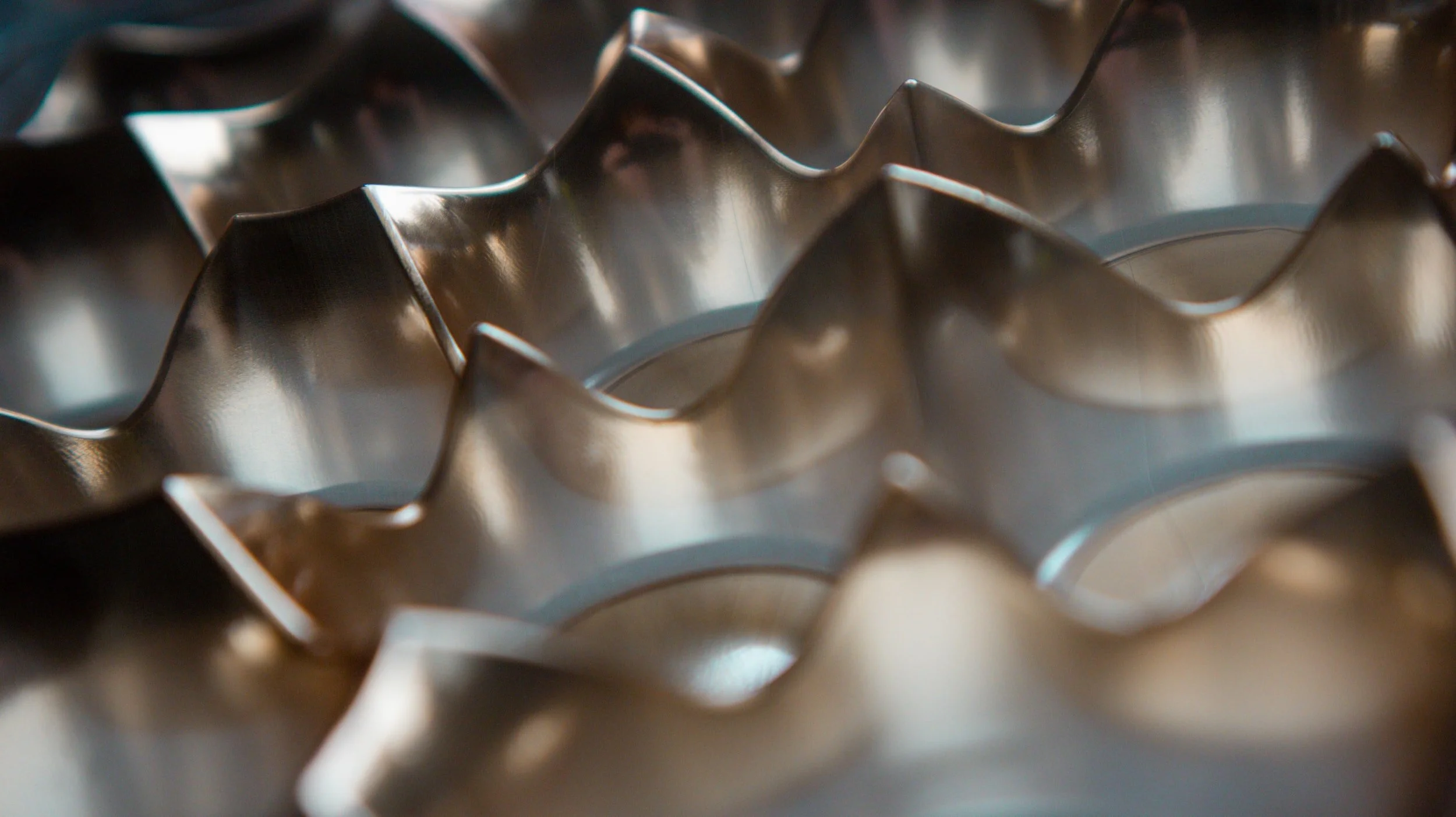
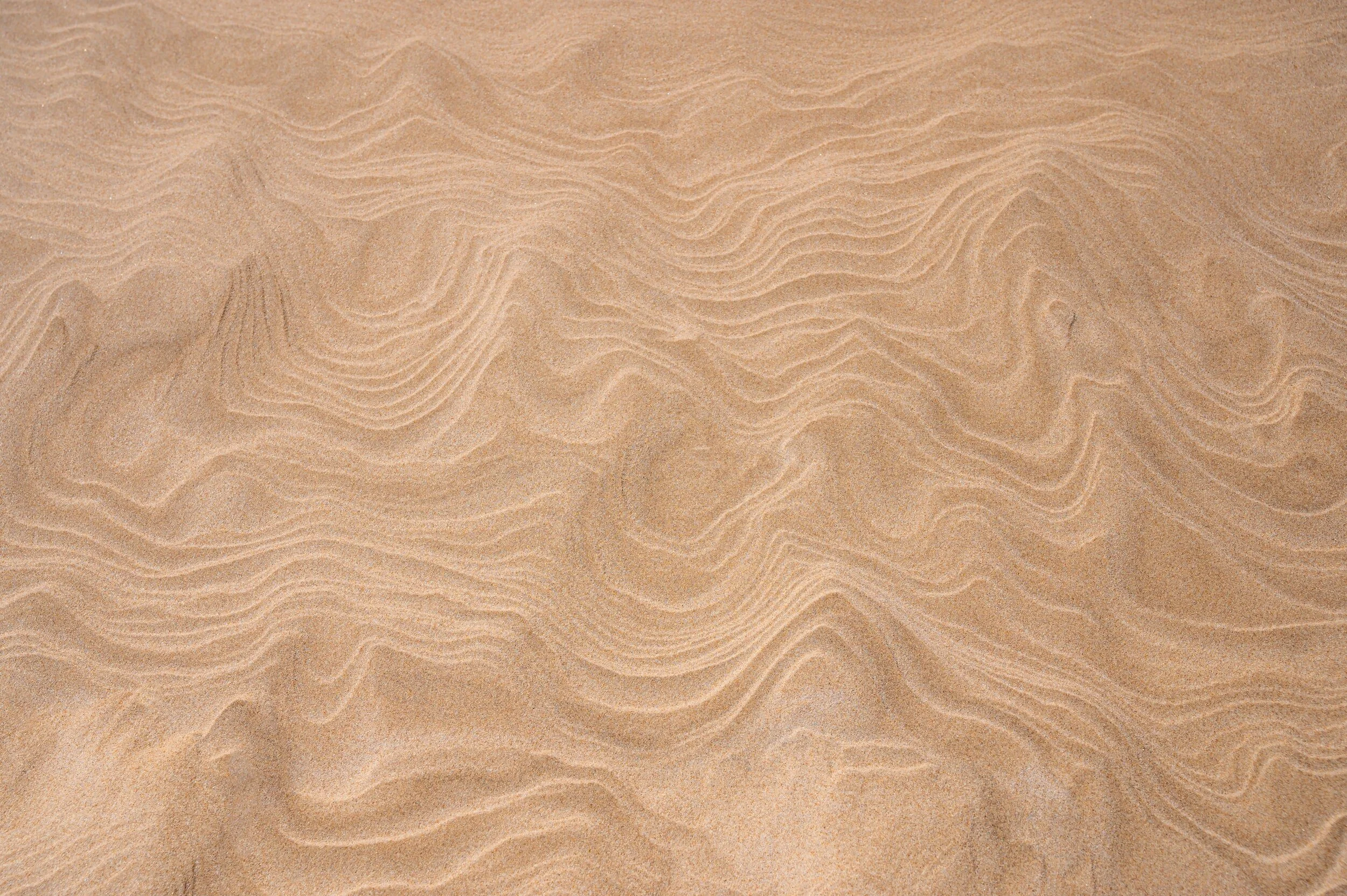
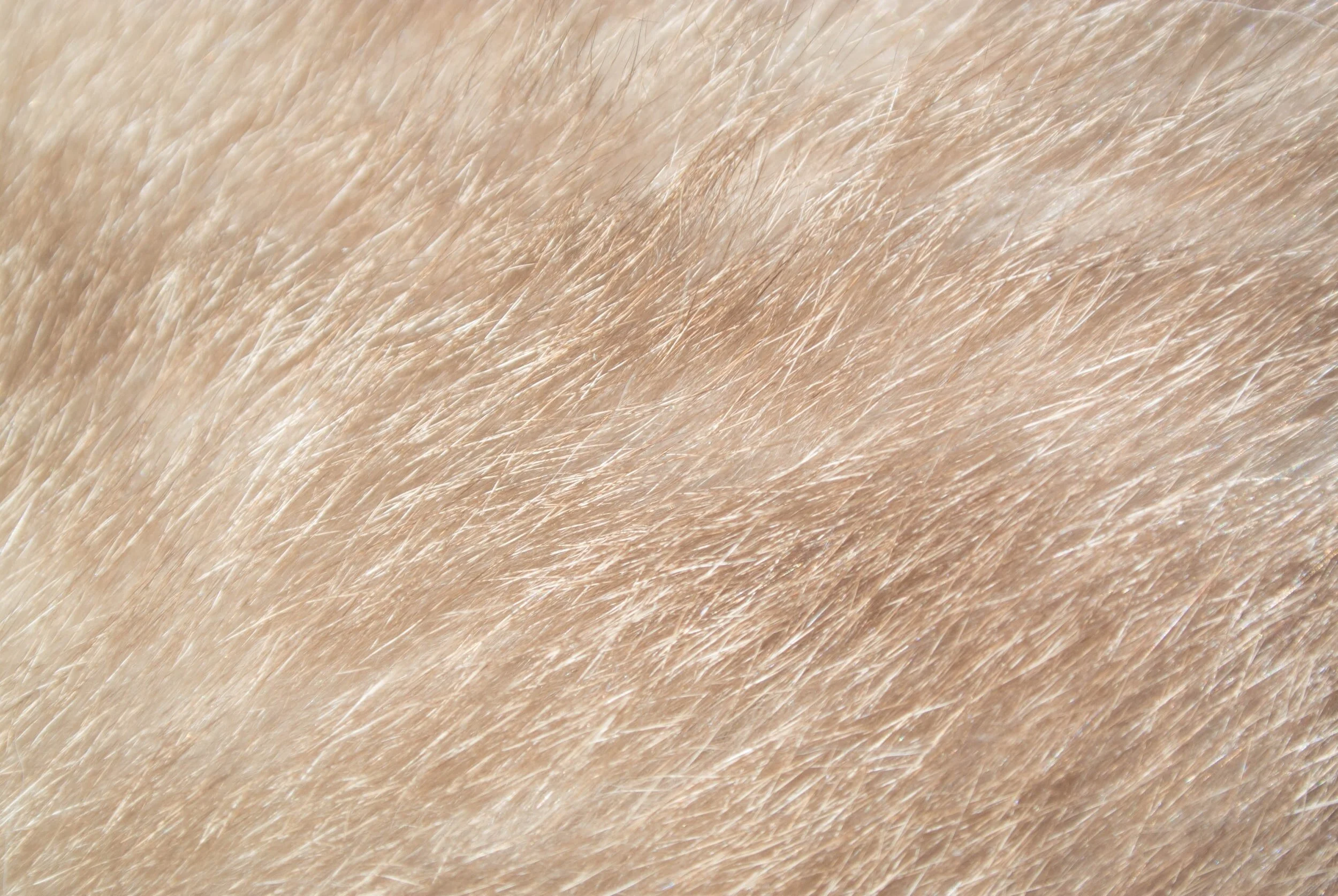
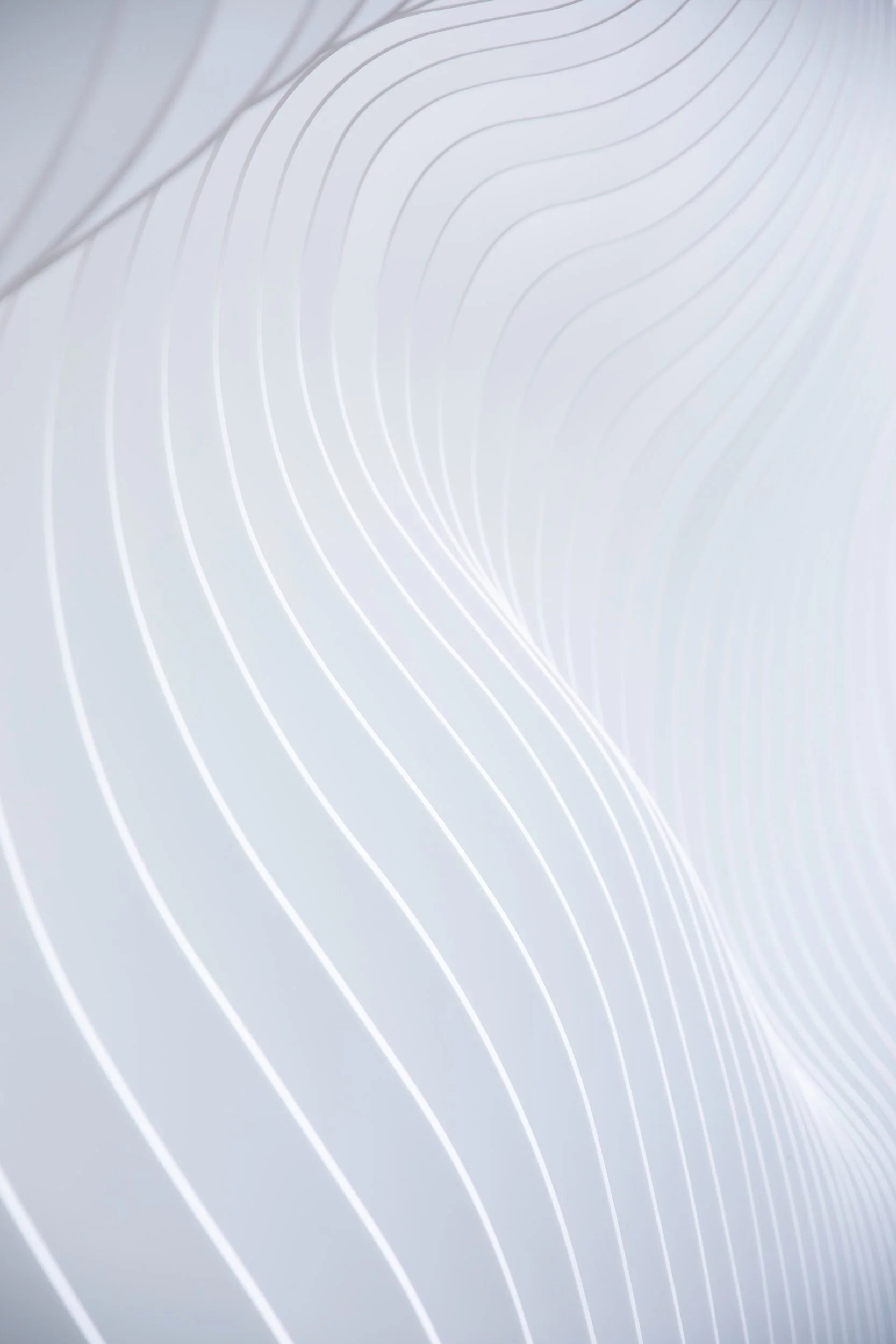
We often extend our hands to feel something we are curious about, whether it’s the fabric of a sofa, the surface of a beautiful wooden table, the leaves of a plant, or the stones of a wall.
We also want to feel a surface to know whether it’s real or fake. We are drawn to natural things, and our sense of touch gives us great satisfaction when we feel something natural and pleasant. This will enhance over all experience with a space.
Smells & Sounds
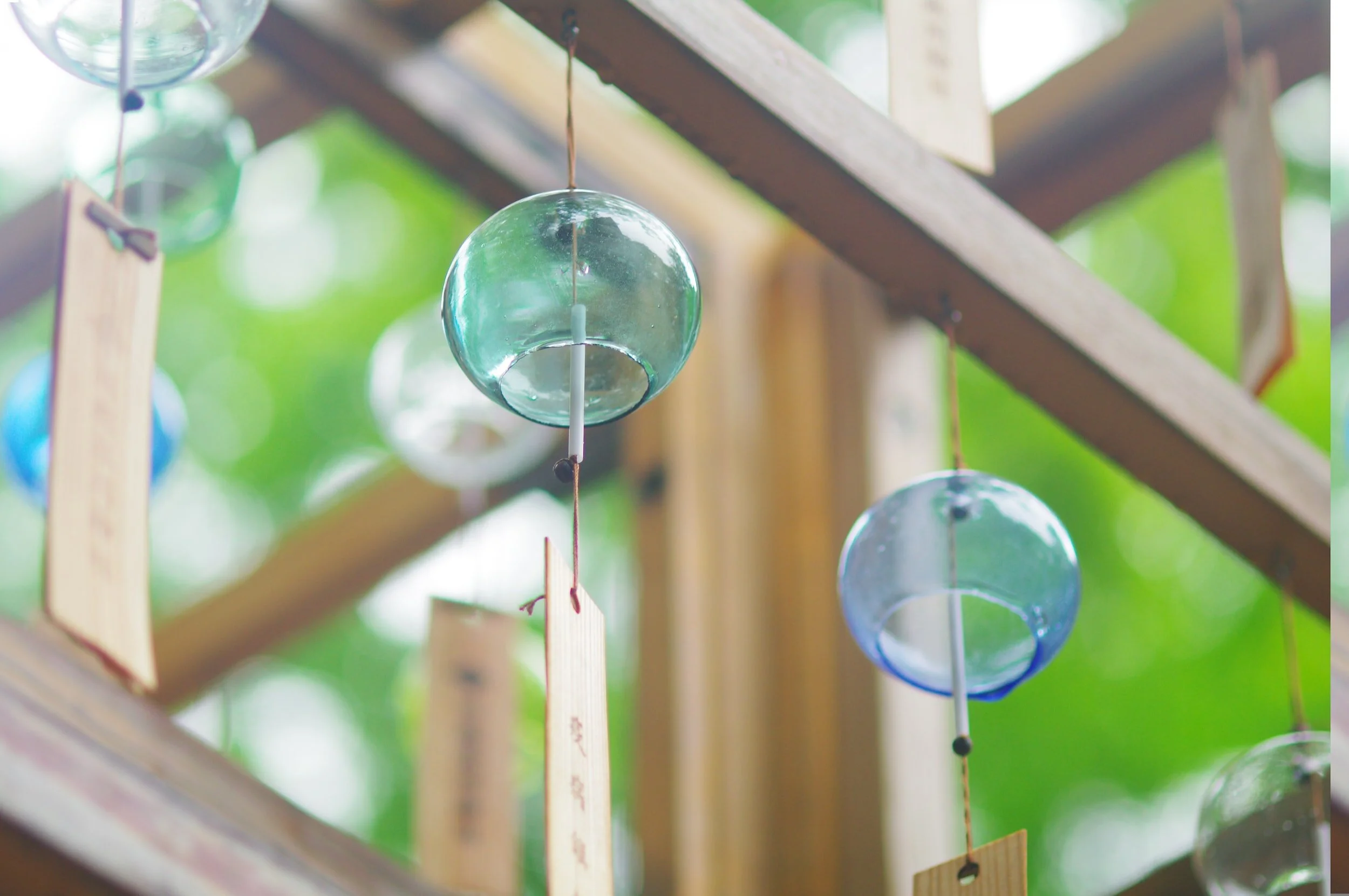
The first things that might welcome us and draw our attention when we enter a forest are the smell of the earth after rain, trees and flowers, or the sound of the birds. Pause, and you might hear baby owls calling for food, crickets chirping or a chorus of frogs. We might also hear a waterfall in the distance, the sound of ocean waves or the wind in the trees. Smells and sounds can be soothing, calming or energizing.
Spaces can include these elements to deepen the integration of nature for a full and holistic experience.
Nature of the Space
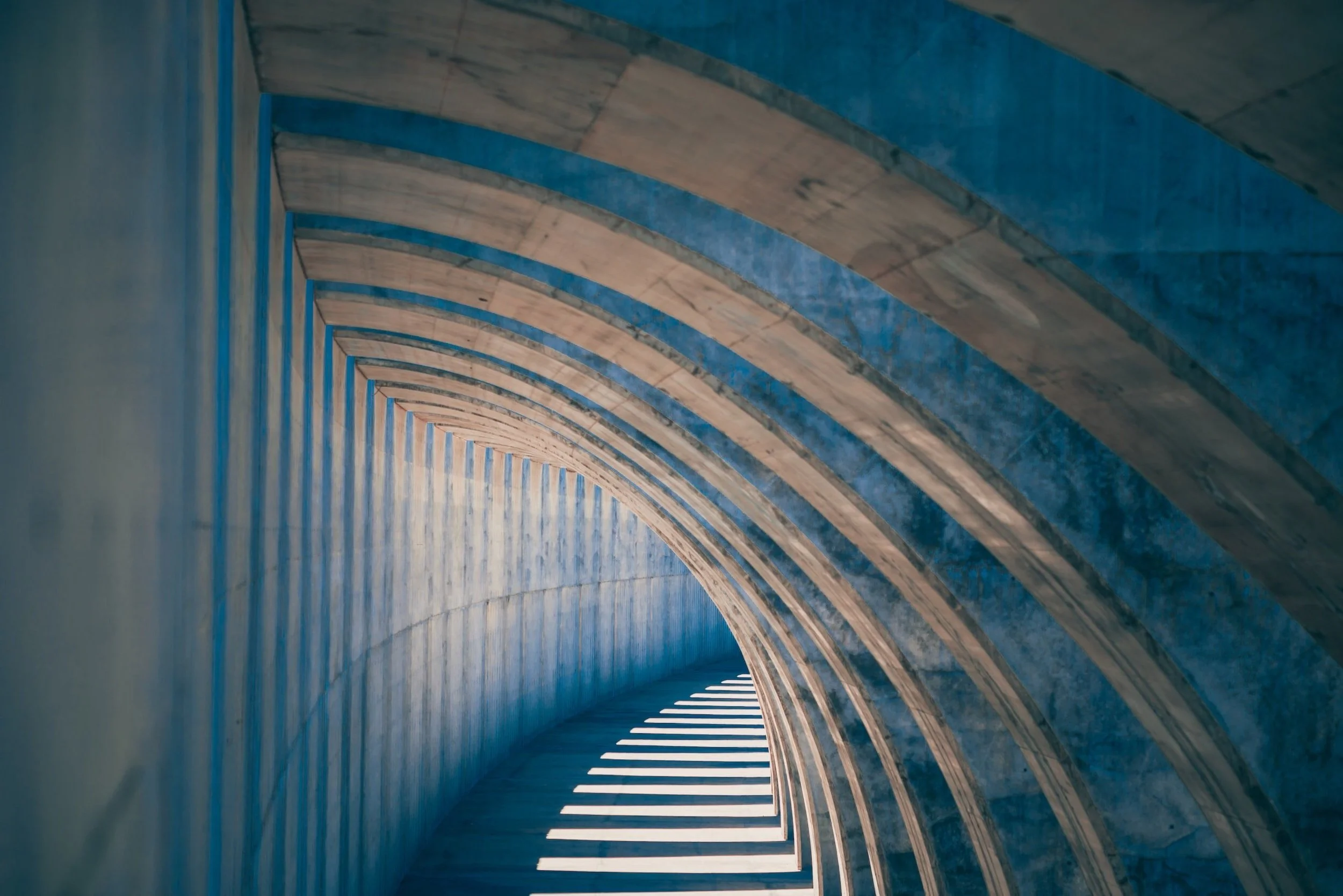
The spaces we spend time in determine the quality of our lives and how we interact with our social, built or natural environments. The nature of the Space patterns define how we relate to the building, room or space around us on a deeply human level. We have an innate desire to want to see beyond our immediate surroundings and can be fascinated with the slightly dangerous or unknown. Obscured views, design revelations, installations and moments of mystery excite us and maintain our interest and enthusiasm.
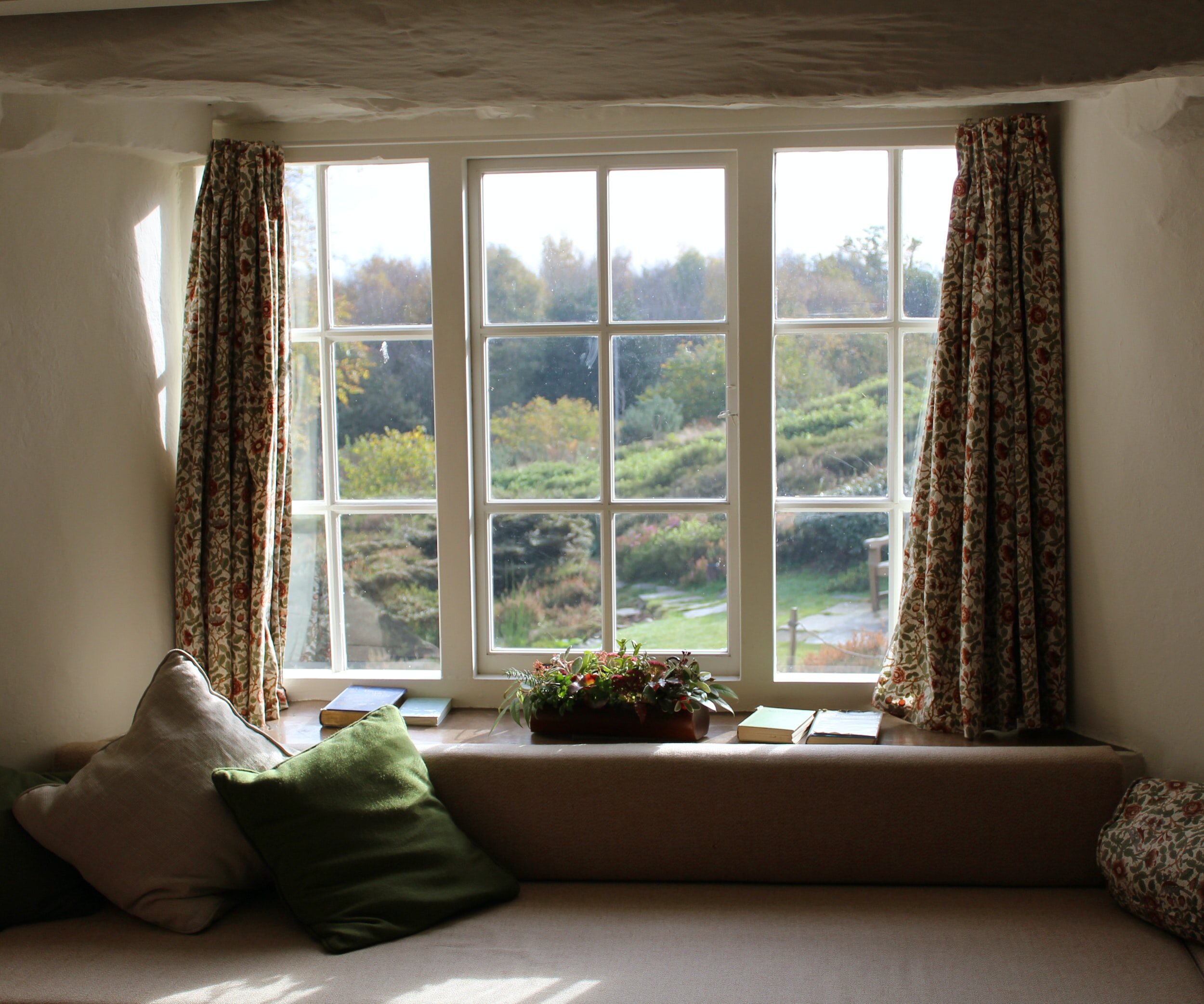
We have an intrinsic desire to see beyond our immediate surroundings or over long distances, dating back to an anthropological theory of survival. Prospect patterns consider a big-picture view of your environment. Elements of interior design that best represent this include the addition of balconies, oversized windows or skylights, mezzanine levels, open plan spaces or transparent partitions that provide uninterrupted views.
Prospect
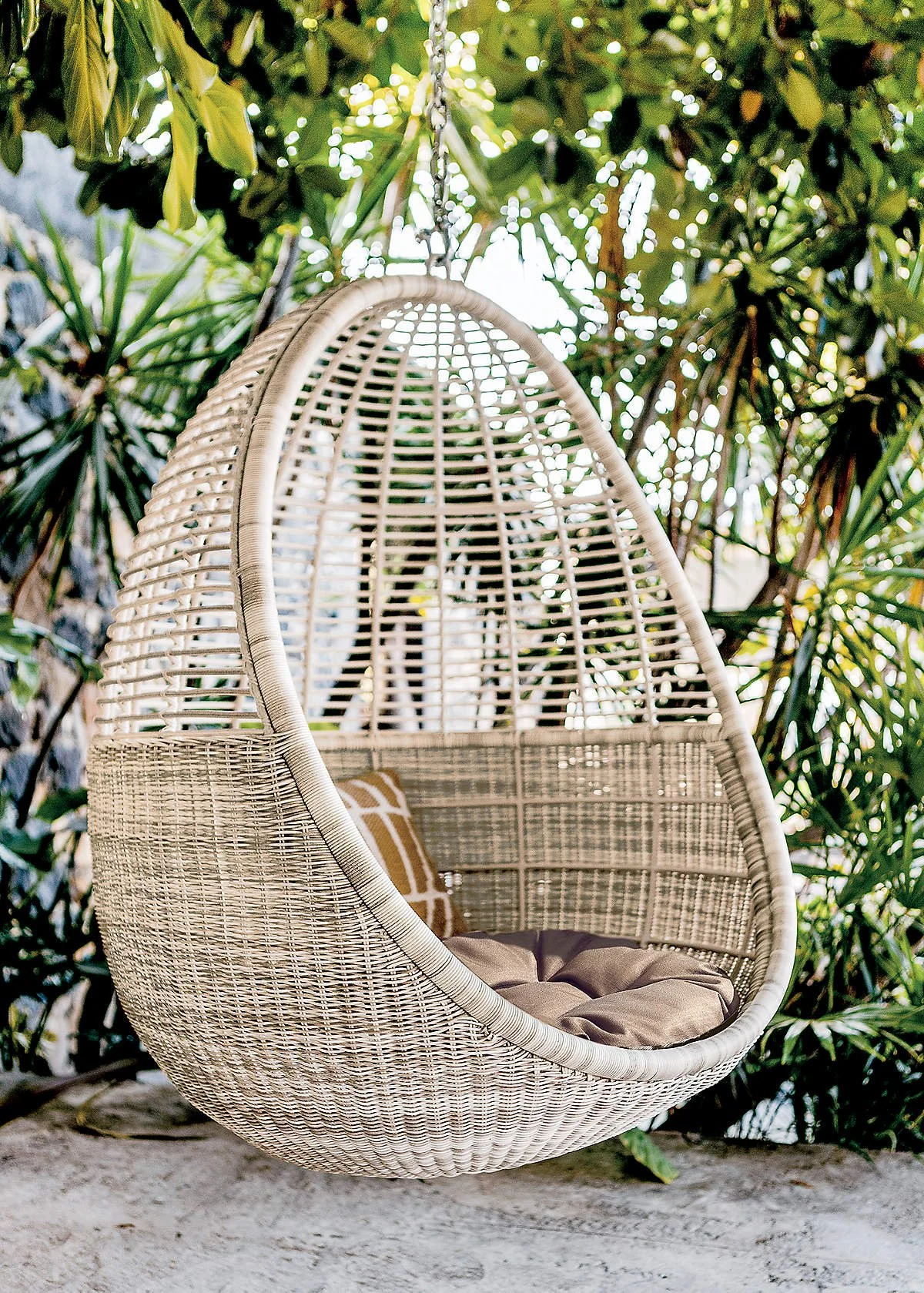
Like Prospect, the Refuge pattern focuses on the ability to look out over your surroundings, but from the safety of a protected position away from the buzz of central areas of activity. An acoustic pod within an open-plan office, for example, provides a safe haven to concentrate away from noise or stimuli while maintaining a view of the world around it.
Refuge
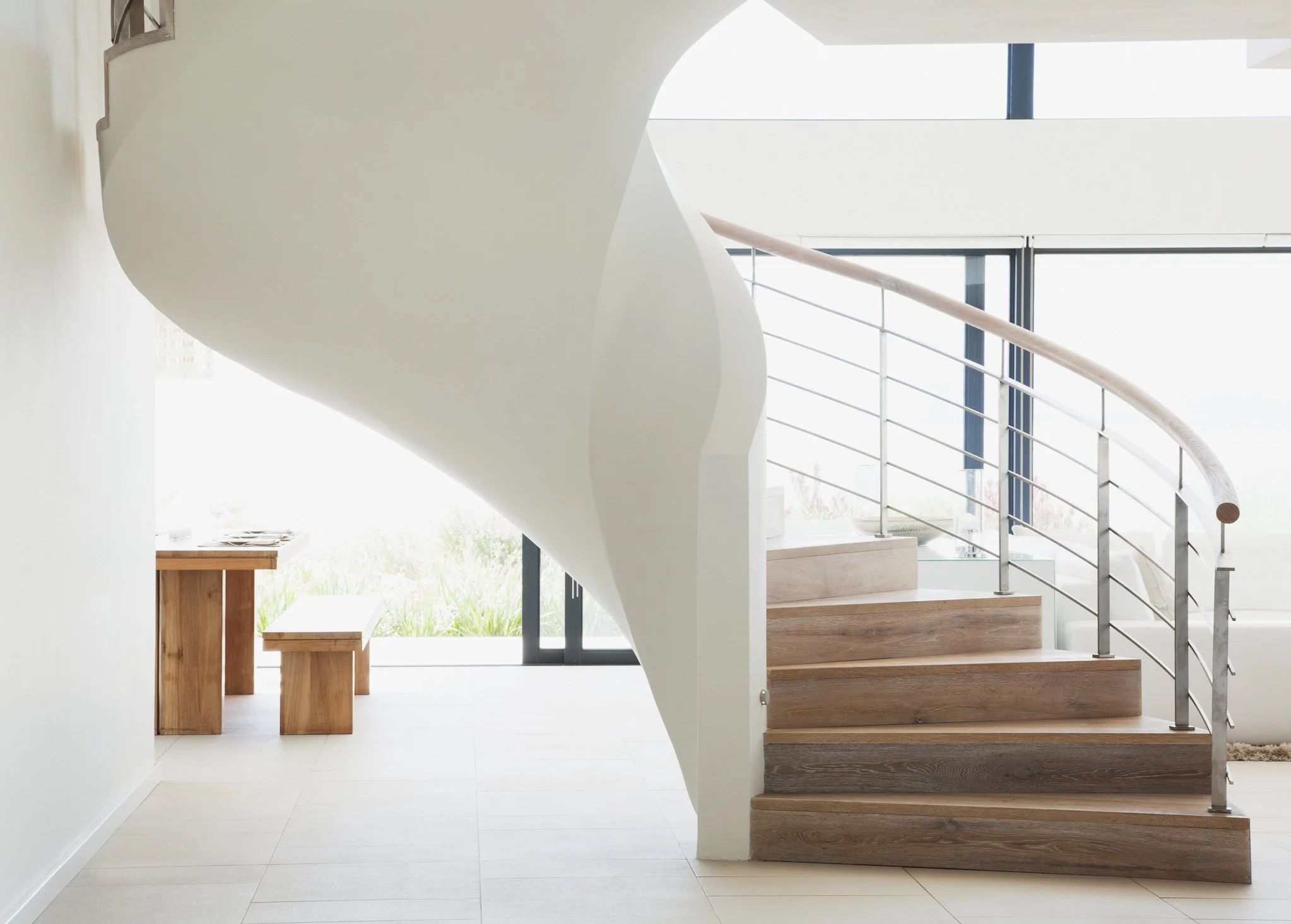
As in the great outdoors, some of us need to feel the excitement of the unknown in the built environment. The promise of more information, achieved through partially obstructed long-distance views, design revelations, surprising installations or unexpected architectural features, draws us in and engages us with our environment. The success of the mystery lies in the anticipation of what might be around the corner, which can create a strong, undeniably pleasurable response.
Mystery
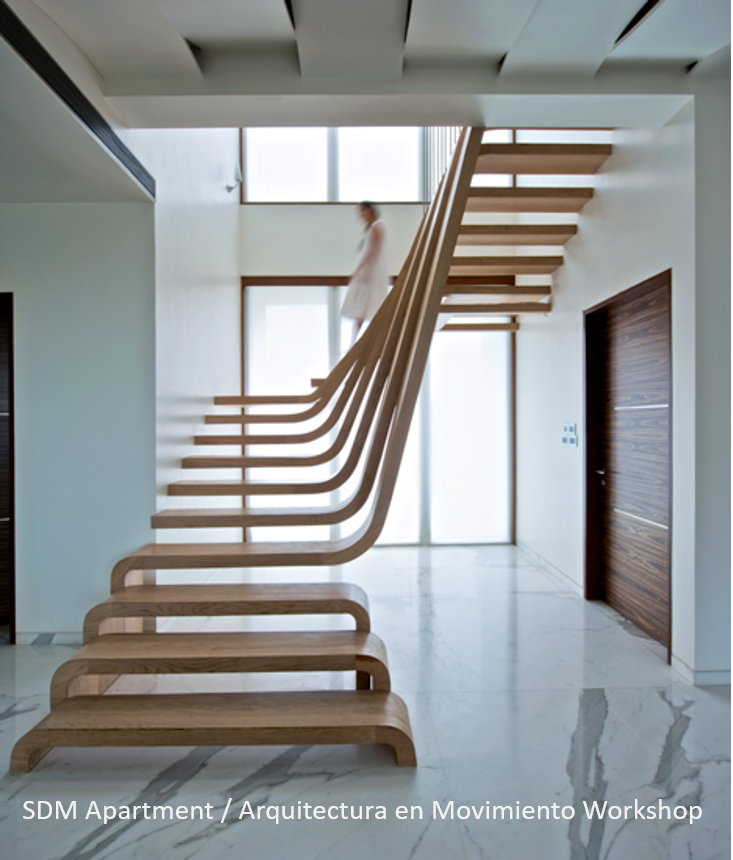
It’s the thrill of danger from an identifiable risk coupled with the sense of a reliable safeguard. Evolution designed us for survival. Whether it’s a high walkway or a glass wall overlooking a city skyline, the Risk/Peril pattern triggers the rush of living on the edge of safety.