
Open vs Closed Floor Plan: How to Choose What's Right for Your Home
When embarking on a renovation project or designing a new home, many people often assume an open layout is the best choice. While open layouts have been popular for the past three decades or so, it's important to recognize that they may not always be the most suitable option for everyone.
One aspect frequently overlooked is the existence of a third option: the partially open layout. This design offers a unique blend of privacy and openness, allowing for a creative approach that can be tailored to meet the specific needs, personalities, and lifestyles of its inhabitants.
To better understand these options, let's define each layout:
The Closed Floor Plan
This traditional layout features distinct rooms separated by partition walls. It provides privacy and a clear delineation of space. Doors are often used, but sometimes, doorways are kept without doors.
This example showcases a closed layout, which is quite rare in modern design. The image comes from a French architectural archive.
I used to own a charming 1911-built house in Calgary. It featured a nearly closed layout with a distinct foyer, a separate kitchen, and a dedicated dining area. The living room was centrally located, which meant we had to pass through it to access the kitchen. It was a delightful space that combined functionality and charm.
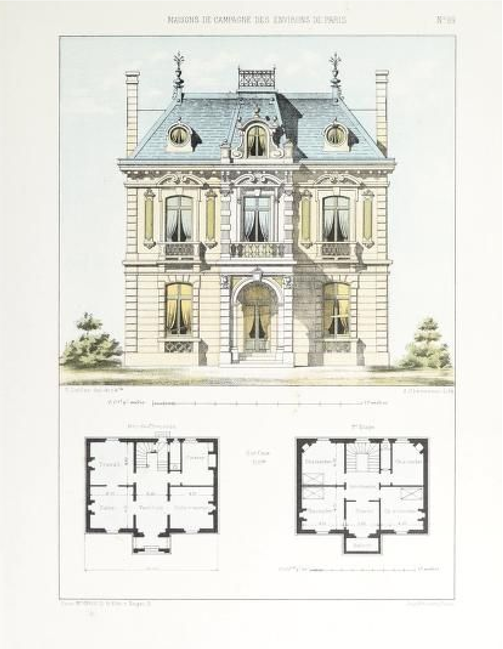
From the old book Villas, maisons de ville et de campagne
The Open Floor Plan
In this design, the living spaces—such as the living room, family room, dining room, and kitchen—are combined in a seamless flow without partition walls. This layout encourages social interaction and connectivity among spaces and can work well in both small and large homes. Typically, the most common shape for this layout is rectangular or square.
Not only can the living space have an open plan! in this example, the bedroom and bathroom have an open plan. Click on the page to enlarge.
Partially Open Floor Plan
This design features multiple configurations where the separation between spaces is not stark yet sufficient to provide a sense of both separation and identity for each room, each serving a distinct function. While the spaces remain interconnected, they also allow for a certain level of privacy, striking a balance between openness and separation.
The concept of a partially open space is quite intriguing. This effect can be achieved by using plants, which enhance the ambiance while maintaining an open feel, adding both beauty and a touch of nature. Incorporating decorative architectural features, wooden partitions or case goods can effectively create a sense of privacy while still contributing to the overall openness of the environment. Also, the shape of the space and the inclusion of a few steps to transition from one area to another can foster an open flow while providing partial visual access.
You might wonder: Which layout is right for me?
The foremost consideration should be what you genuinely love. Reflect on your tastes and preferences rather than just following trends and collective tendencies. For the past three decades, a common theme has been to open up spaces and eliminate walls. While this may resonate with some, it is important to determine if it aligns with your personal vision, personality and lifestyle. Your unique preferences are the key to creating a space that truly feels like home. Here are some considerations to help guide your exploration:
1. Lifestyle Considerations
Your lifestyle can significantly influence the choice between open or closed layouts. For those who frequently host gatherings or have young kids they need to keep close to, an open space might be ideal. Conversely, a closed or semi-closed kitchen design could be more suitable if you view your kitchen as a meditative space or need to manage strong cooking odours. Additionally, families who enjoy watching TV together might find that a closed TV room accommodates everyone's needs while allowing quieter spaces for reading or play.
2. The Architecture
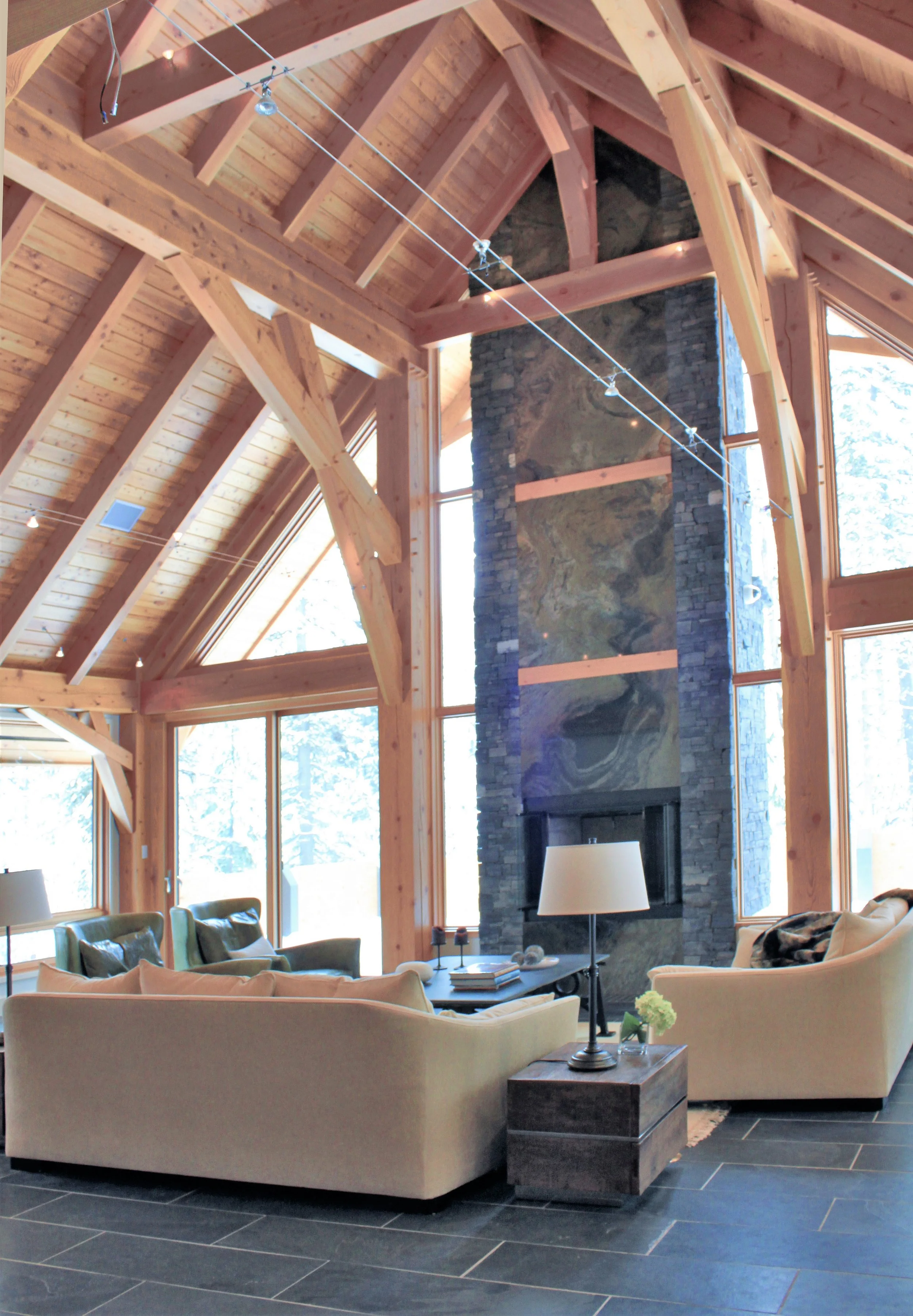
Architecture has inherent features that often dictate layout choices. Thoughtful design ensures that the structure, roof system, and layout work cohesively. Modifying one aspect without considering the others can disrupt the balance and integrity of the overall design, which ultimately affects your experience of the space.
3. Embracing Mystery
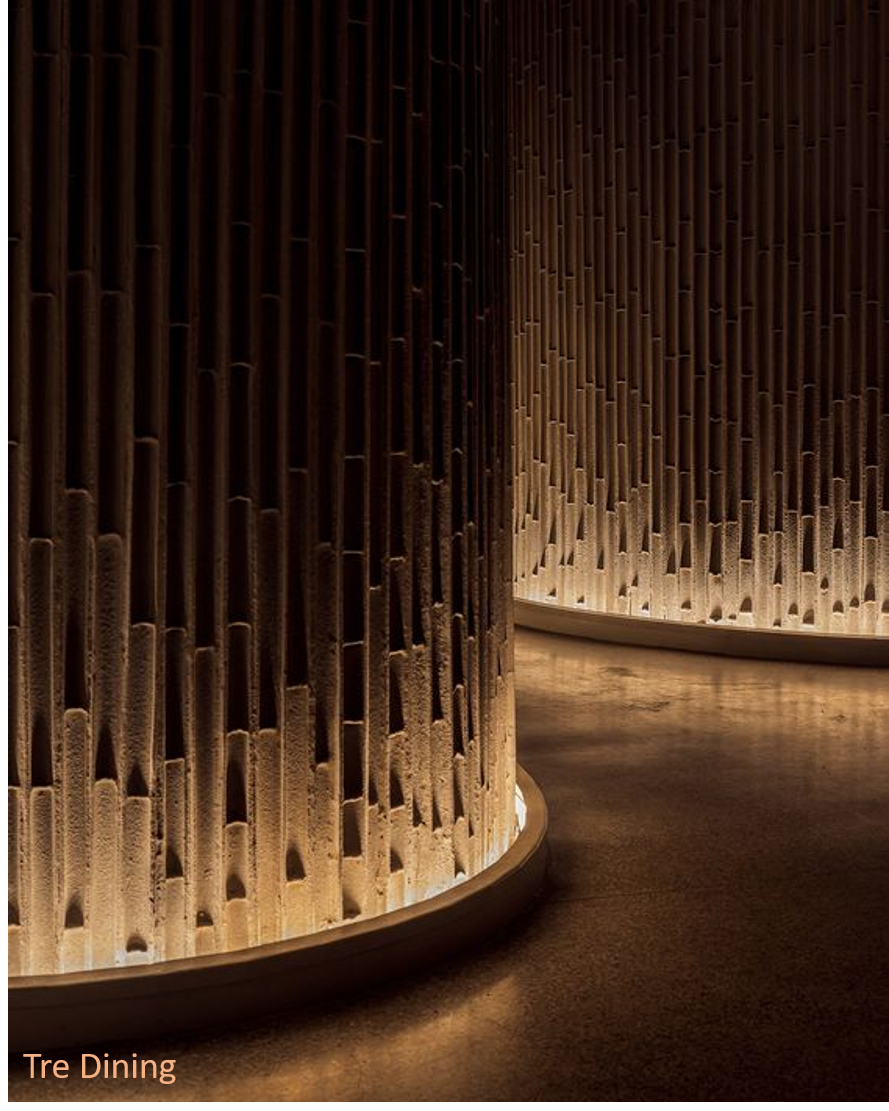
If you are someone who enjoys mystery, an open and predictable space may not engage you fully. Much like the outdoors, some individuals thrive on the excitement of the unknown. Architectural elements like partially obstructed views or unexpected features can stimulate curiosity and enhance your connection to the environment. If you identify with this desire for mystery, you may want to reconsider an entirely open layout.
4. Adventure and Risk
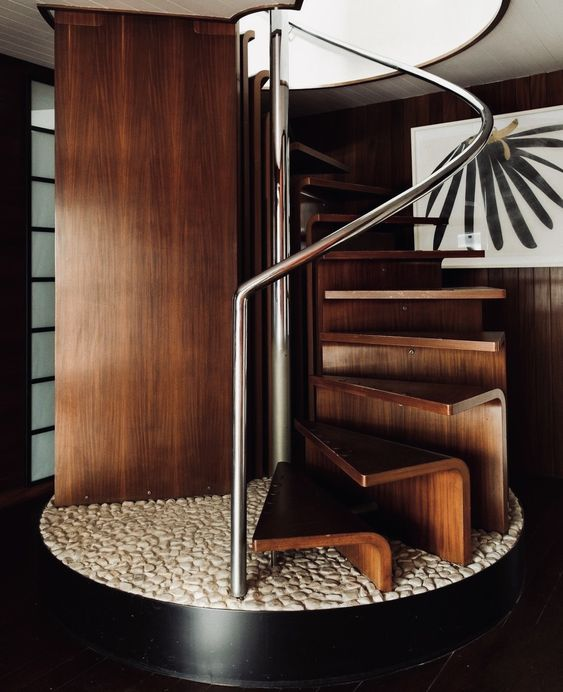
The thrill of experiencing identifiable risks and a sense of security can be appealing. Our evolutionary design encourages us to seek out such experiences. In this case, both the open and partial open may work if you integrate features that entice the risk-taker in you. Whether it's a walkway on the second floor with glass flooring, an open staircase, or a suspended house designed on a cliff, the rush of living at the edge of safety can be exhilarating.
6. Clarity and Reassurance
Our deep-seated desire to see beyond our immediate surroundings can inform our design choices. A well-designed, open, spacious plan with large windows can foster a sense of calm and satisfaction. If you resonate with this perspective, an open-plan layout might provide the comfort you seek.
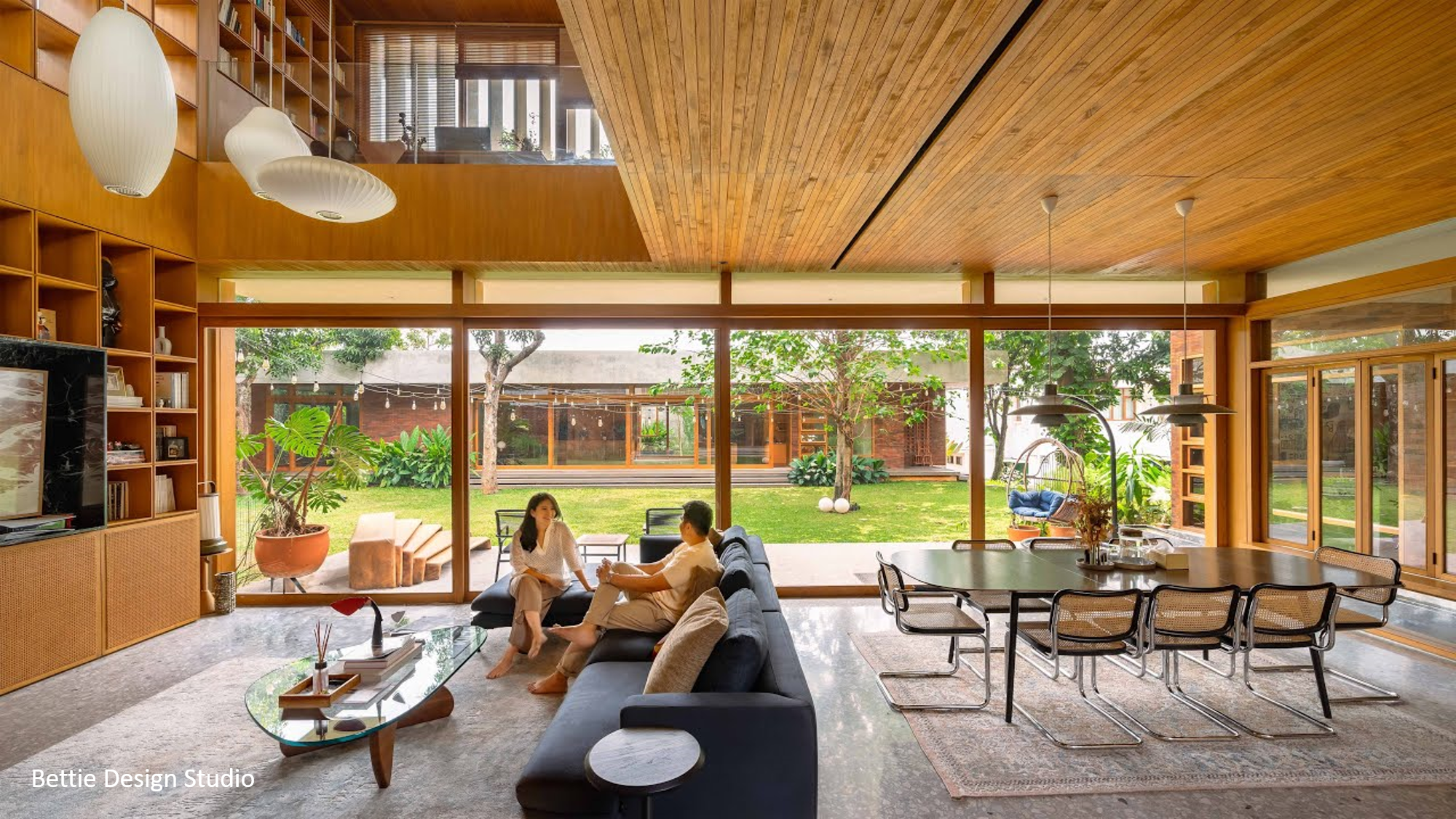
7. The Cocooner + Refuge Seeker
If you value feeling protected and embraced, a partially open layout suits your needs to feel protected while still allowing you to feel connected to the surrounding environment, while a fully closed layout may offer the ultimate cocooning desire.
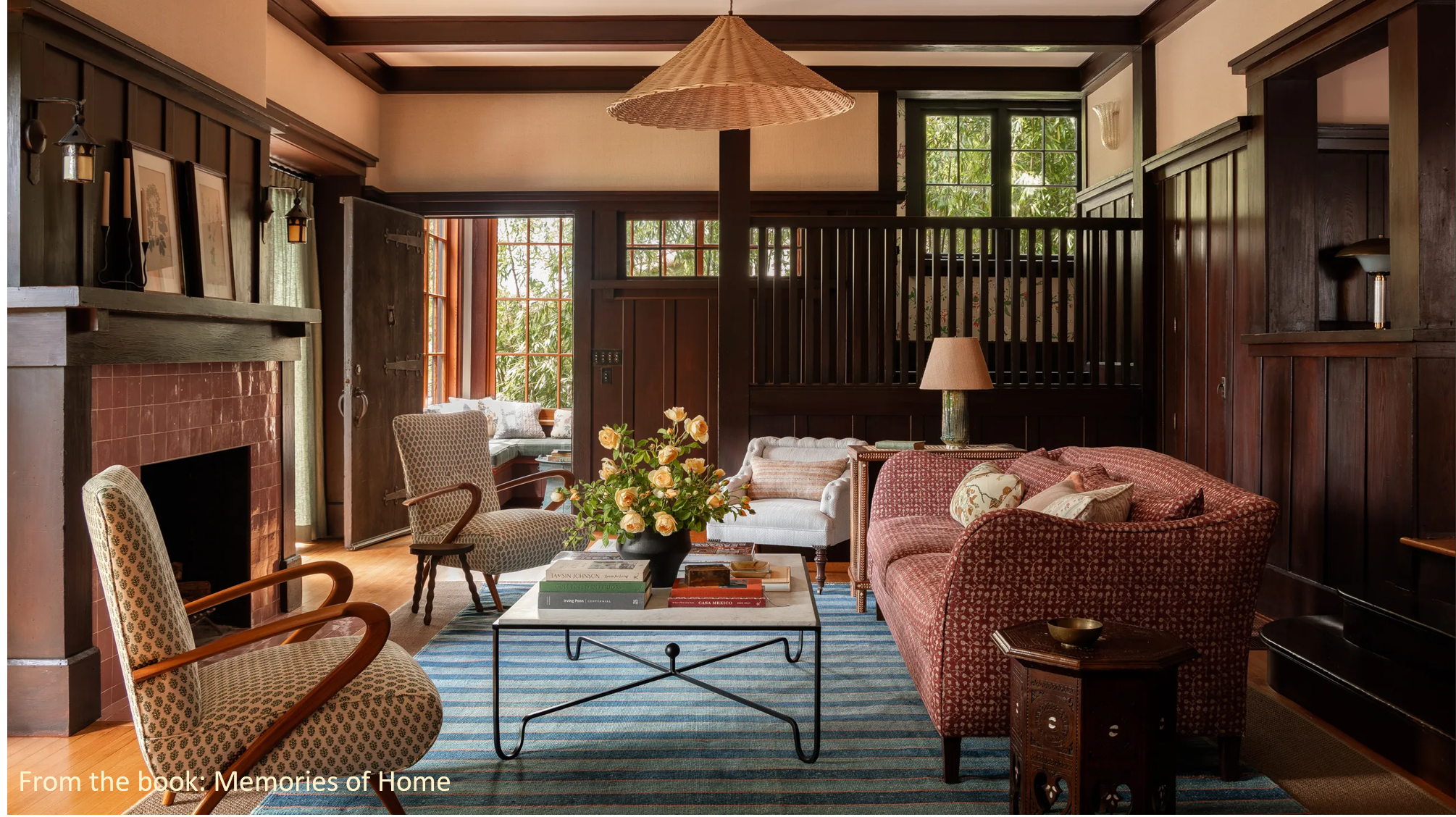
Learn more about personal traits on the Biophilic Design Page.
These considerations are avenues for reflection that can help you shape your space to align with your personality preferences and lifestyle.
One of the most critical stages of a project is the exploration and discovery phase, during which I take my clients on a journey to uncover their unique needs and preferences. This includes identifying traits such as the mystery seeker, the refuge seeker, the risk taker, the seeker of clarity and security, and the open vista lover. Taking these considerations into account, along with their lifestyle, a plan begins to form regarding the structure and layout of the architecture.
I hope this leaves you with some questions! I would like to hear about your process, reflections, and findings.
With Joy and Delight!
Nora Bouz, Place Maker, Designer
Rethinking your home design or starting to envision a new home? Explore our home design services.