
Designing a Multigenerational Workplace That Works for Everyone
Today's workplace is a vibrant tapestry woven from the diverse experiences of multiple generations, each contributing unique perspectives and skills. Baby boomers, Gen X, millennials, and Gen Z collaborate under one roof, blending traditional work ethics with modern technological fluency. This intergenerational dynamic fosters a rich exchange of ideas, driving innovation and creativity while enhancing problem-solving capabilities. As these varied age groups learn from one another, they create a culture of empathy and adaptability, which is crucial for facing the complexities of an evolving work environment. Embracing this diversity not only strengthens team cohesion but also nurtures a sense of belonging and purpose, elevating overall workplace wellbeing.
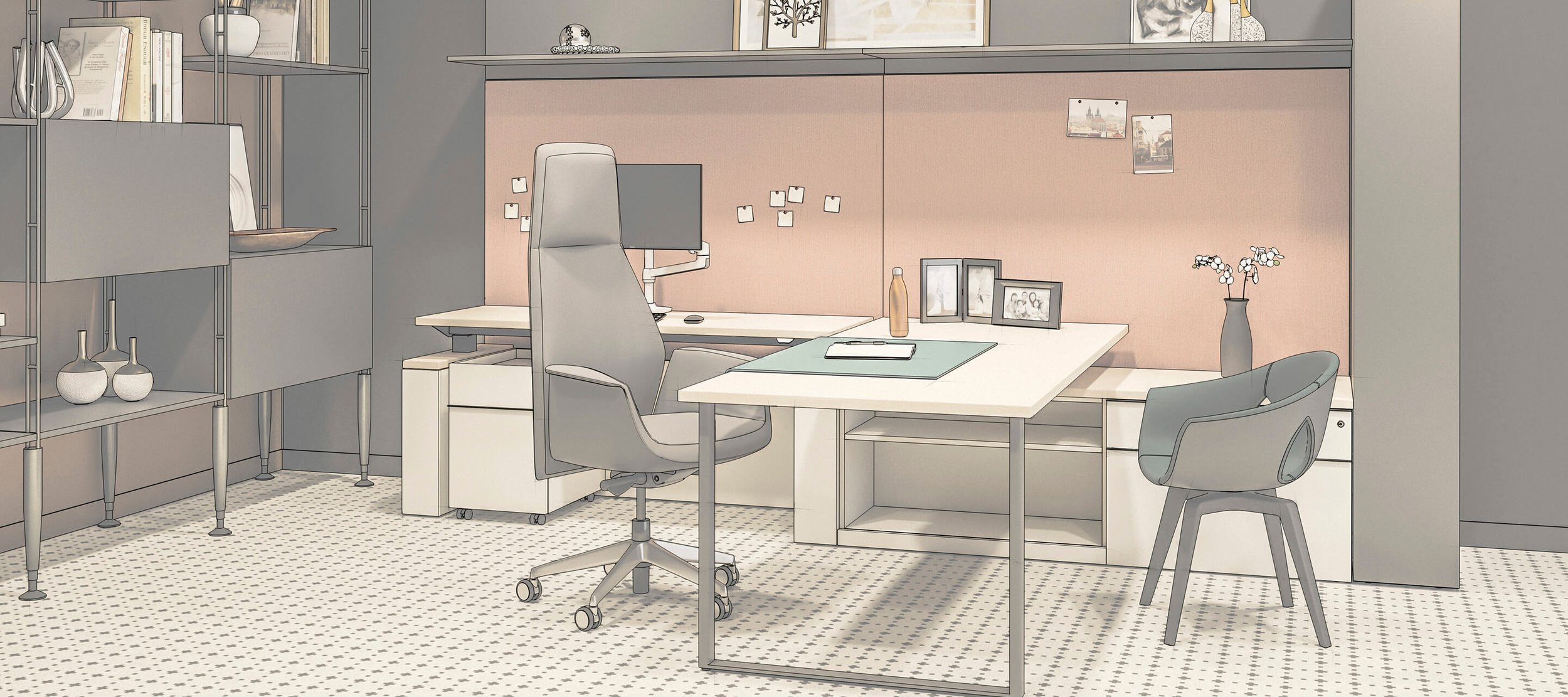
Photo curtsy Haworth
When an organization or company prepares to redesign their workplace or relocate to a new facility, it's essential to contemplate the design approach and identify a style that aligns with their employees, values and vision. Creating a workplace that caters to the diverse preferences and work styles of various generations can be a rewarding yet complex endeavour. While change can bring challenges, it also opens the door to opportunities for improvement.
So, how can an organization develop a workplace design that embraces everyone while remaining true to its culture, vision, & values?
Understanding Workforce Dynamics
It’s essential for the leadership to gain insights into their workforce demographics, generational tendencies, and individual preferences. This understanding can guide the design decision-making and create a more inclusive work environment.
Evaluating Workplace Design Styles
By exploring various workplace design styles and their advantages and disadvantages and analyzing the new workplace design trends, distinguishing between what is truly beneficial and what may not be necessary.
Facilitating Gentle Transitions
Recognizing that change can be challenging, a thoughtful and gradual transition strategy can yield the best results. This approach will encourage all employees to embrace the changes and feel included in the process.
Bridging Generational Gaps
Recognizing that each generation has unique tendencies and work style preferences is essential. Highlighting the value of these differences and raising awareness among employees will promote understanding and appreciation across generations. This, in turn, will enhance collaboration and compassion within the workplace.
Addressing Individual Needs and Including Everyone in the Process
It’s important to recognize and address the unique needs of employees. Creating an agreeable work environment is in the organization's best interest, as happy and productive employees are valuable assets. When employees see that leadership genuinely invests in understanding and meeting their needs, they are more likely to embrace change, mainly if their key requirements are acknowledged. Engaging all employees in the design process is crucial. Striving to accommodate as many individual requirements as possible fosters a sense of belonging and ensures that employees feel valued, even if not all of their suggestions can be fully implemented
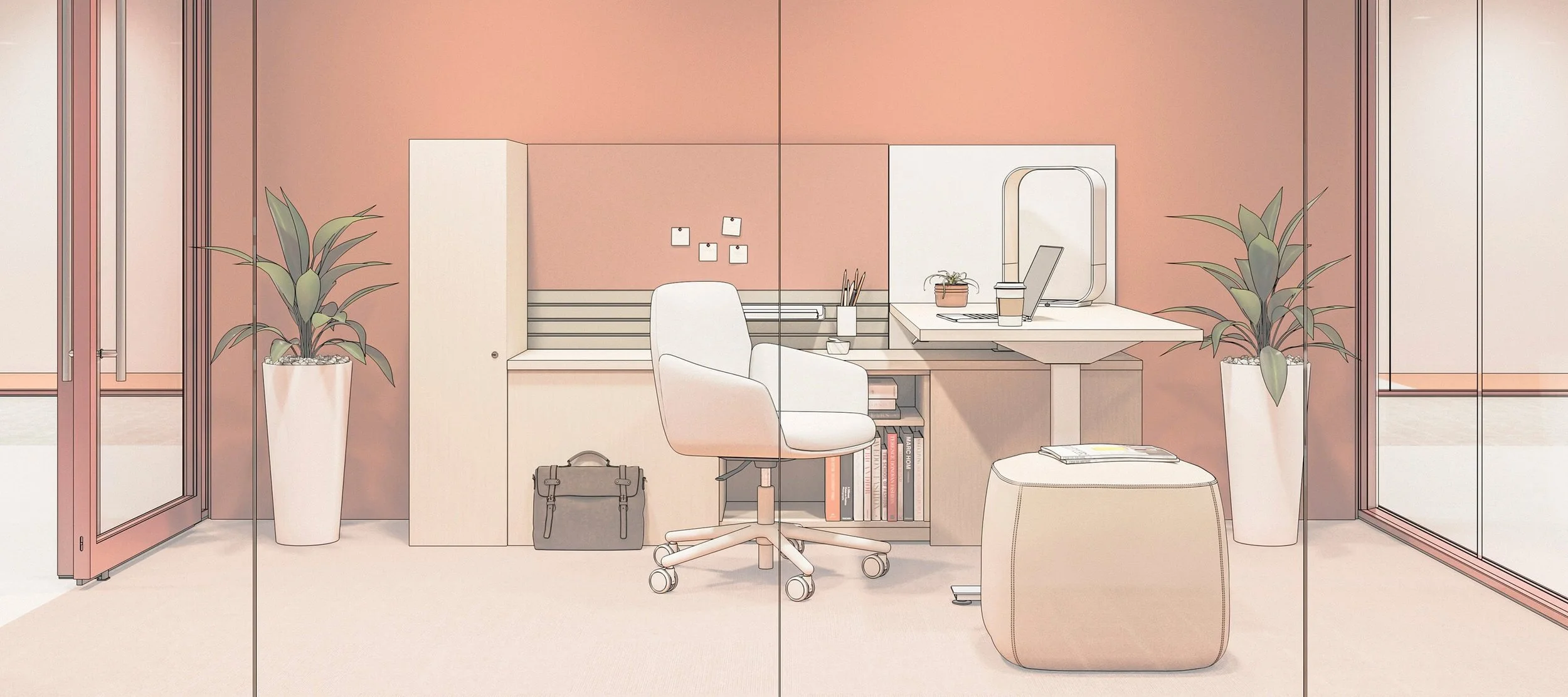
The Role of Interior Designers in Creating Cohesive Workplaces
A workplace interior designer is an essential team player in shaping the workplace interior environment and design that caters to the diverse needs of multiple generations while aligning with the organization’s values and vision.
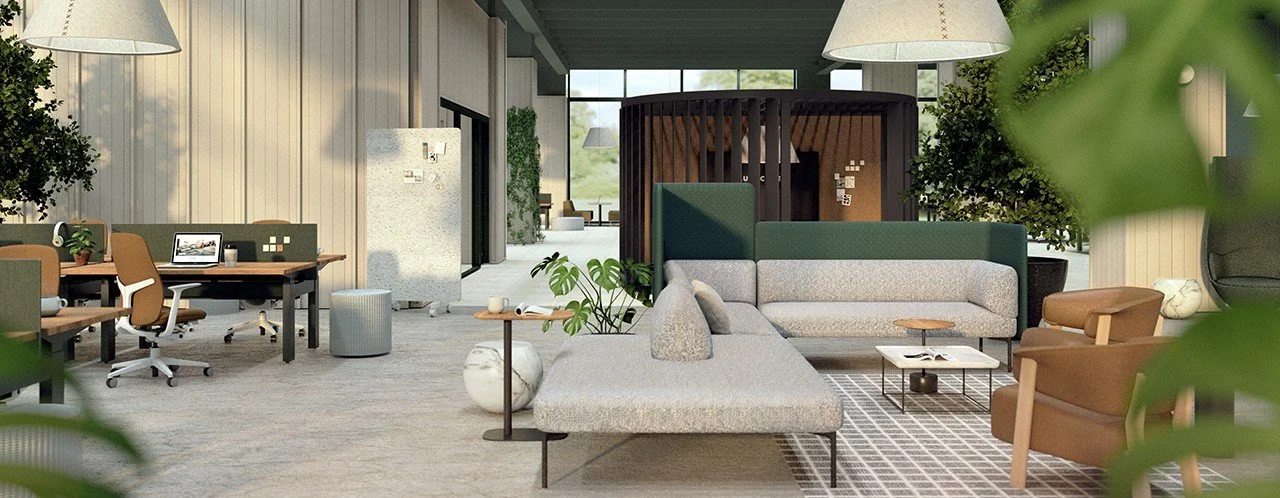
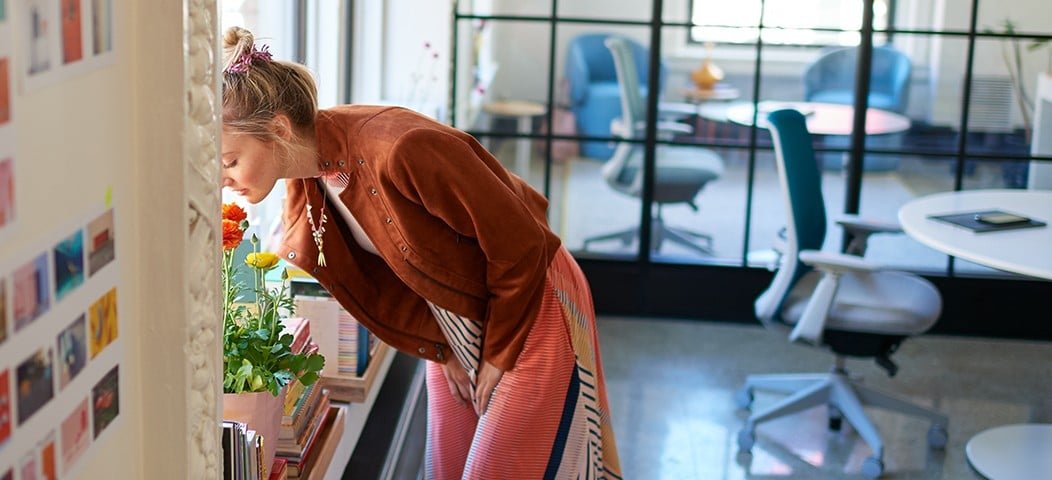
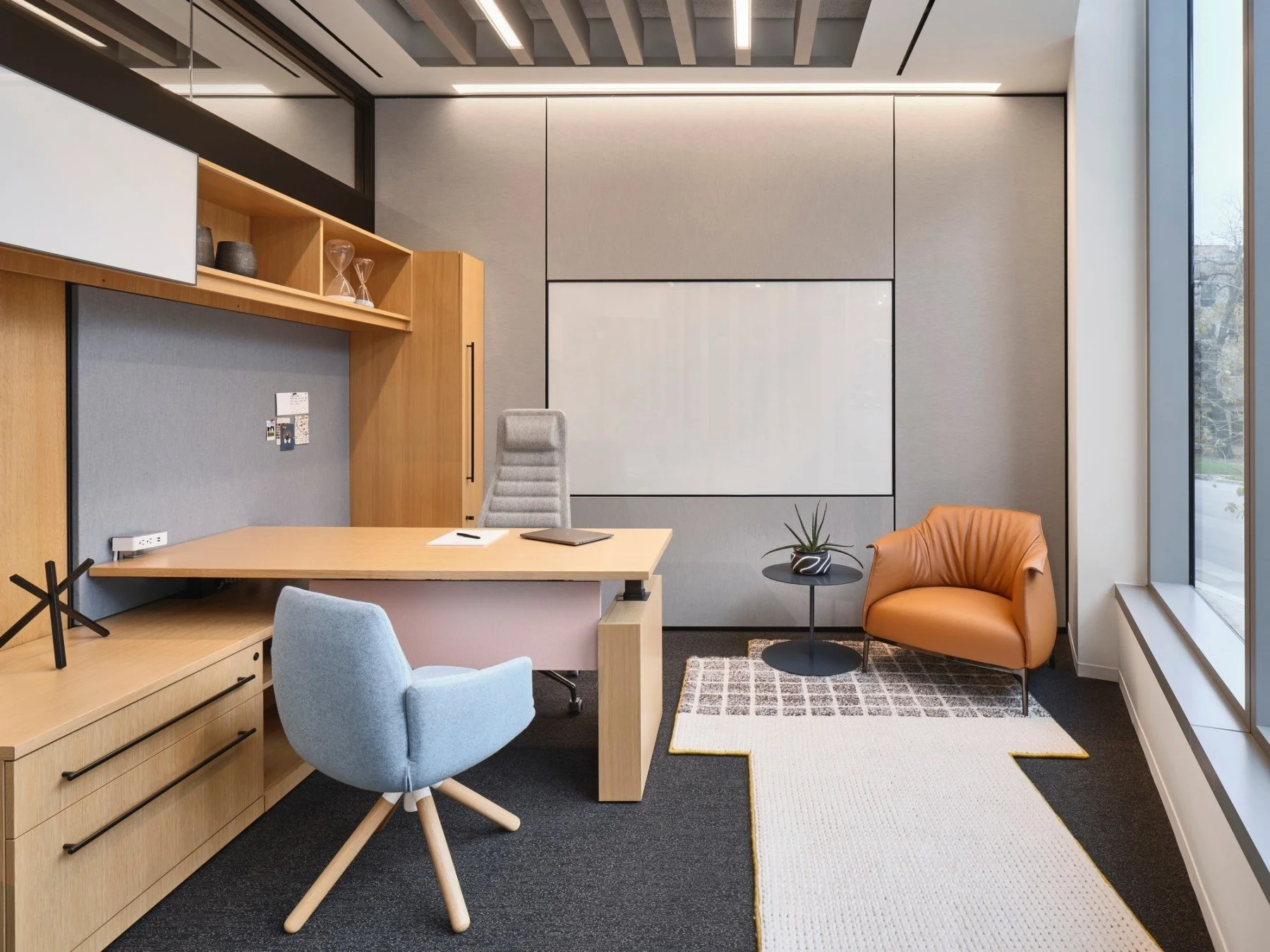
Photo courtesy of Haworth
Leveraging on the Knowledge and Experiences
Knowledgeable of the different workplace designs with an understanding of generational work style tendencies, products, and technologies available, the interior designer can advise on design solutions that accommodate individuals, groups and organizations, from space planning and accommodating different work dynamics to supporting productivity, focus and collaboration. Resourceful and connected with the industry, designers have access to a multitude of products and technology and have the ability to weed out what doesn’t work and integrate the most aligned.
Gathering Insights that Employees May Not Openly Share With Leadership
A skilled interior designer embodies strong listening skills and empathy, fostering an environment where employees feel safe to articulate their workplace's current design challenges and aspirations. The designer can uncover nuanced issues that may affect productivity and wellbeing, such as inadequate spaces for collaboration and the need for quiet areas for focus or relaxation breaks. With this information shared openly, the designer addresses pain points effectively and presents design solutions that are easily accepted by everyone.
Facilitate an Inclusive Process
An inclusive design process in interior design fosters collaboration and encourages diverse perspectives, ensuring that all stakeholders feel valued and heard. By actively involving leadership and staff from the outset, the interior designer can navigate the complexities of change effectively and with objectivity. This transparent approach allows for the co-creation of spaces that meet functional needs and resonate with the emotional wellbeing of everyone involved. As initial resistance to new ideas is acknowledged and addressed, individuals are more likely to embrace the transformation, leading to environments that reflect a shared vision and enhance the overall experience. This commitment to inclusivity enriches the design process and cultivates a sense of ownership and pride in the final outcome.
Ultimately, the interior designer acts as a bridge, deftly weaving together style and substance to produce cohesive, inviting, and dynamic workplaces. Their expertise not only brings more than just a visually appealing environment; it fosters collaboration and inspires innovation among teams, paving the way for success in any organization.
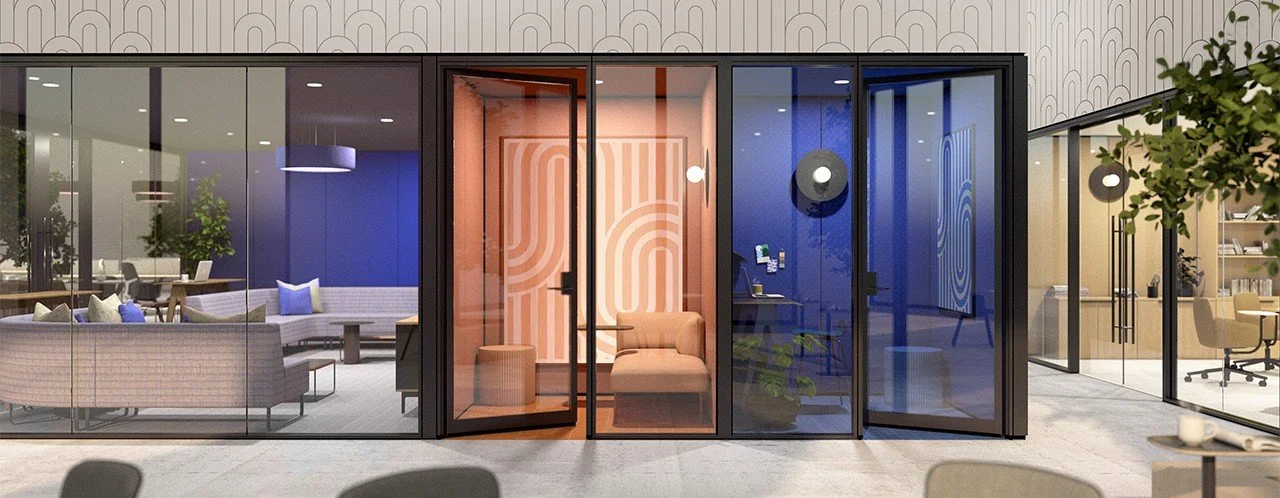
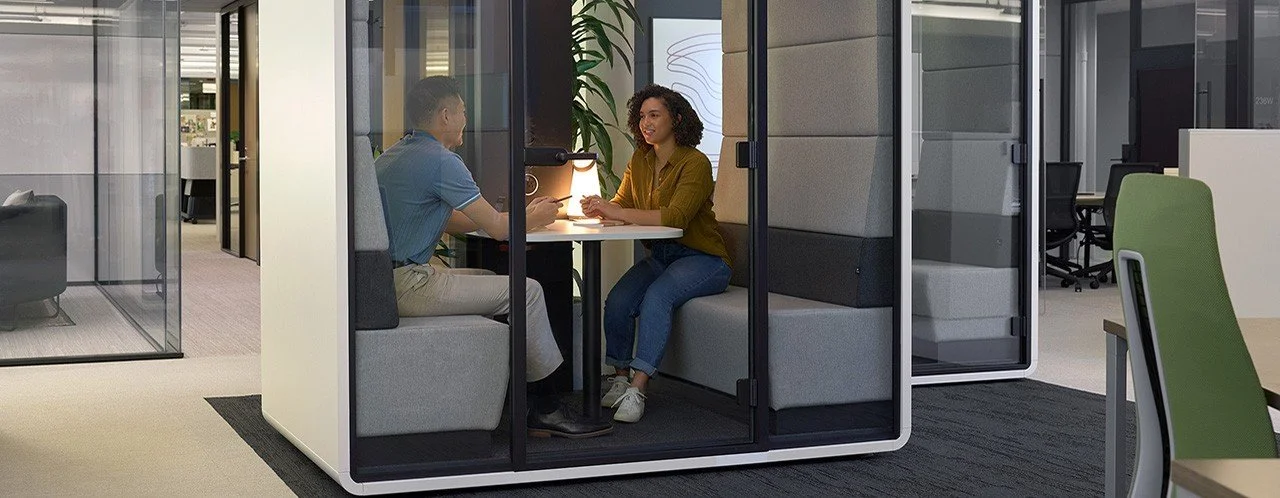
Photo courtesy of Haworth
In conclusion, creating a harmonious workplace design that accommodates all generations while thoughtfully incorporating new trends is crucial for fostering a productive and inclusive environment. Such spaces not only promote collaboration and communication but also reflect the diverse values and preferences of today’s workforce. By prioritizing wellbeing and functionality, organizations can cultivate a healthy culture where employees feel valued and inspired, ultimately enhancing job satisfaction and retention. As our understanding of effective design evolves, it is important to find a balance between innovation and timeless principles that resonate across generations, paving the way for a resilient and dynamic workplace culture.
With Joy and Delight!
Nora Bouz, Place Maker, Designer
I bring this way of thinking to every project, no matter the scale. Explore our workplace design services.