
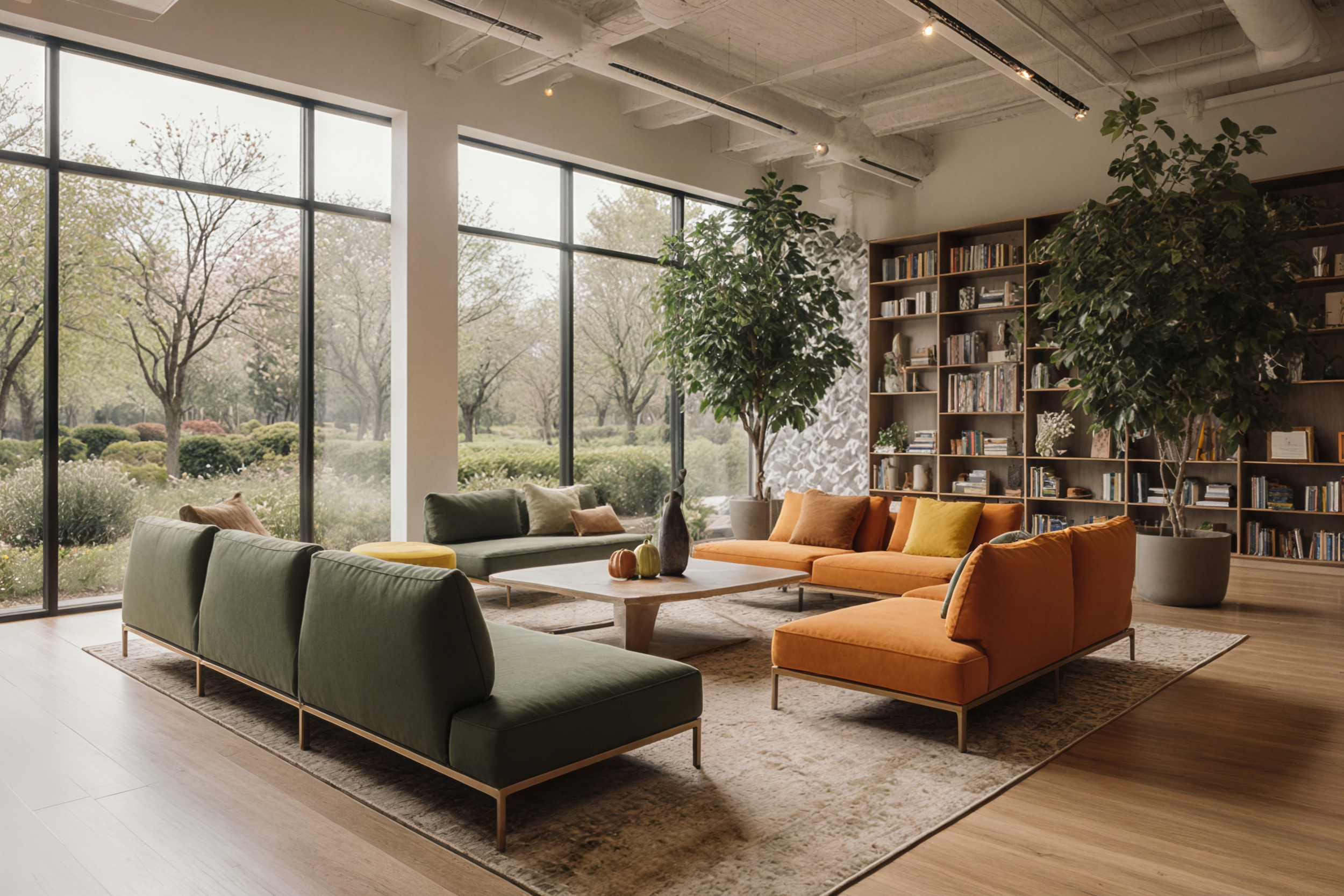
Wellbeing Interior Design
A human-centred approach to design addressing the physical and psychological aspects and needs.
Wellbeing design principles guide our work to ensure that the design solutions are deeply rooted in supporting health and wellness goals and aspirations.
Here are our guiding main elements:
Space Planning
The spaces we live in determine the quality of our lives and how we interact with our social, built or natural environments. The layout impacts how people connect, converse and relate.
Mindfully designed spaces can enhance daily activities, maintain healthy habits, support connections and intimacy, and create balance and flow.

Colour Design
Clours affect our emotions, energy level, and even the way we react to events. The right colours and combinations can boost energy, improve mood and focus, and increase feelings of belonging and connectedness. Misused, colour can elicit feelings of loneliness, agitation, boredom, or other negative emotions. Colour Design is a complex practice that considers colour layering, nuances, balance and energy.
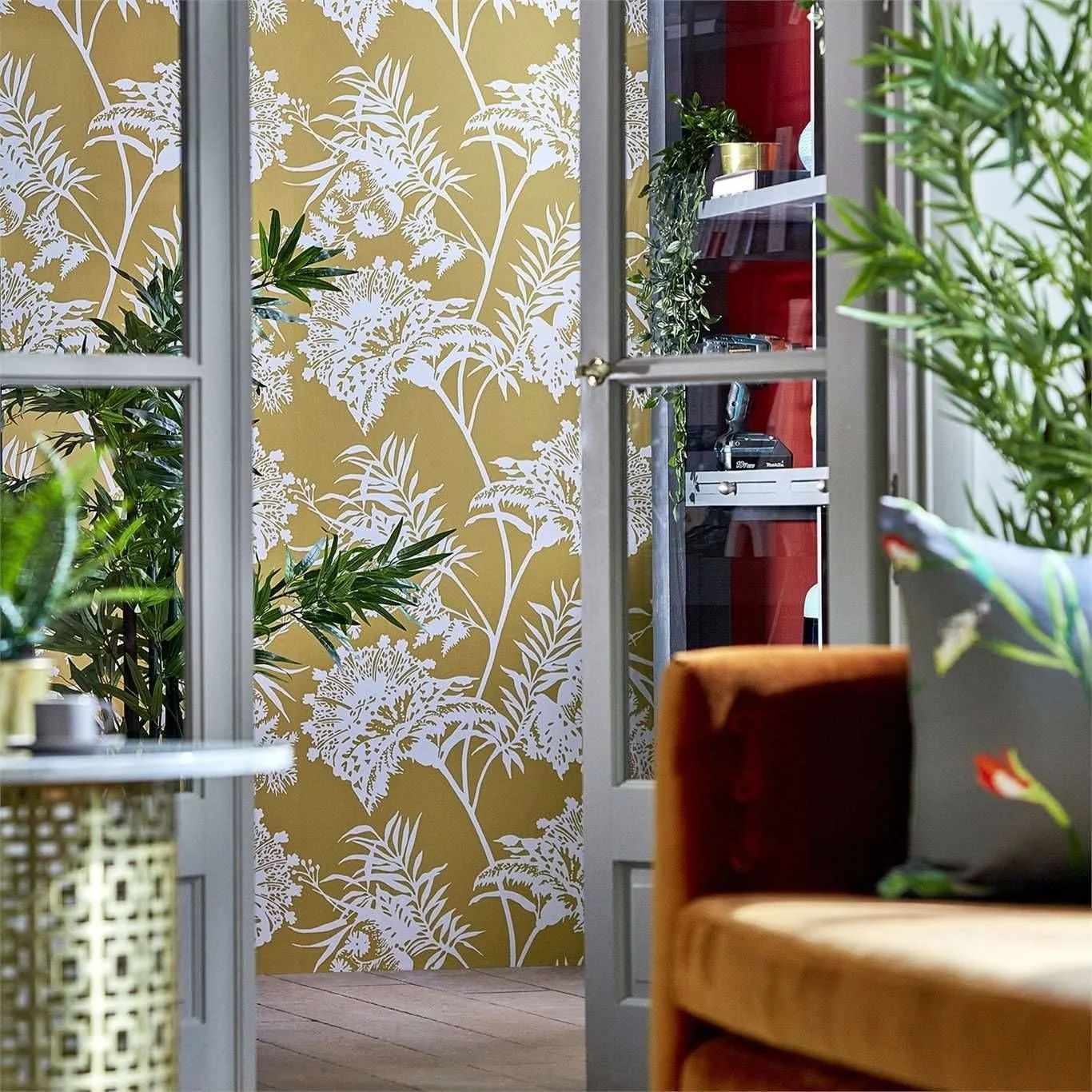
Authenticity and Self Expression
Authenticity and uniqueness are essential ingredients for a nurturing environment. We need to express ourselves, and our intimate environment should tell our story and reflect who we are. Making every space distinctively reflect people's true sense of beauty and core values is crucial to strengthening feelings of belonging, home and inner connectedness, whether at home, work, or in community spaces.
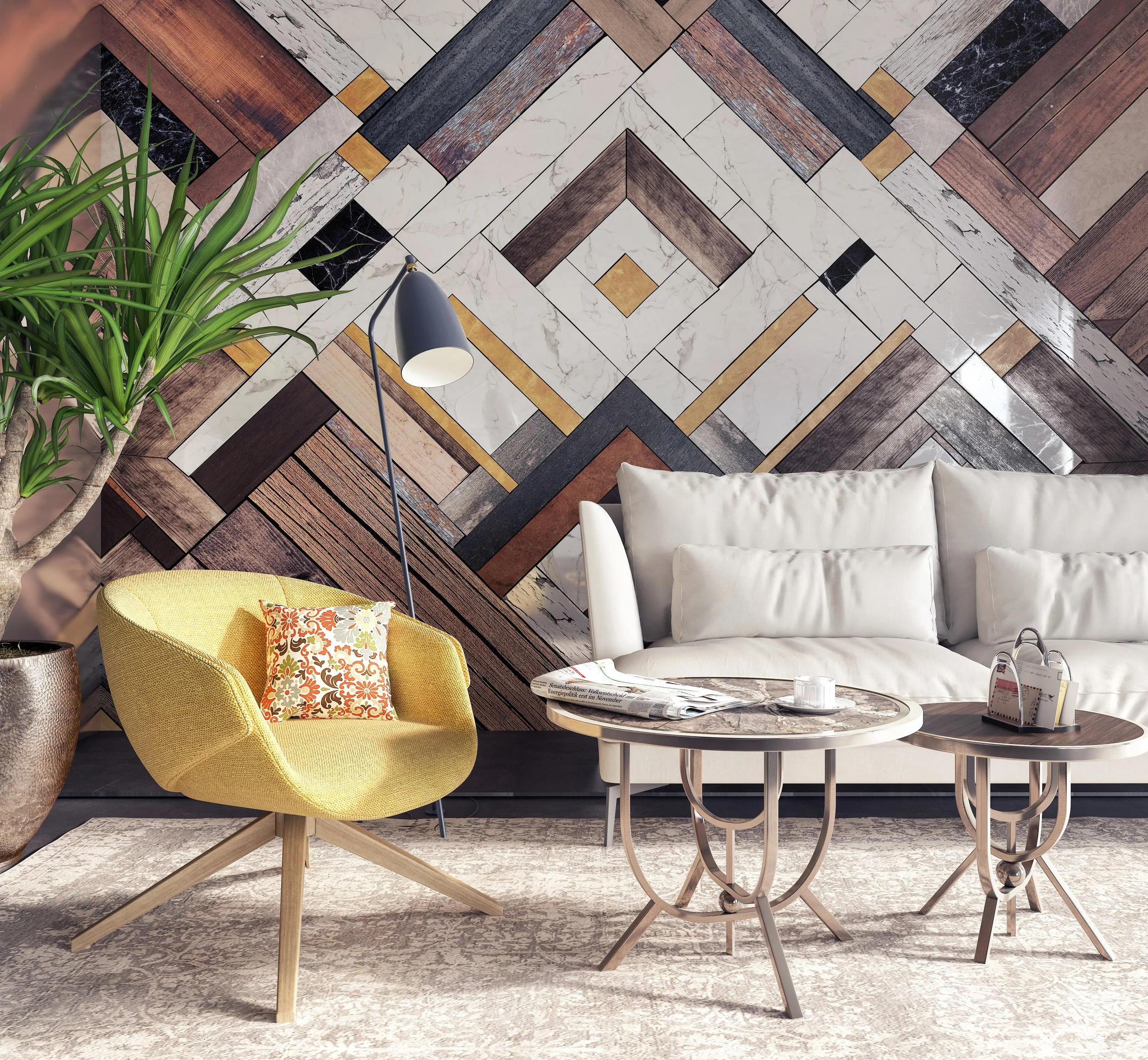
Healthy, Clean and Sustainable Materials
The materials and objects used in the structures we inhabit affect our health. Opting for clean materials free of toxins and incorporating elements that improve indoor air quality can significantly contribute to our overall well-being.
Our efforts to live better cannot ignore the need to live sustainably, considering the environmental and economic impacts.
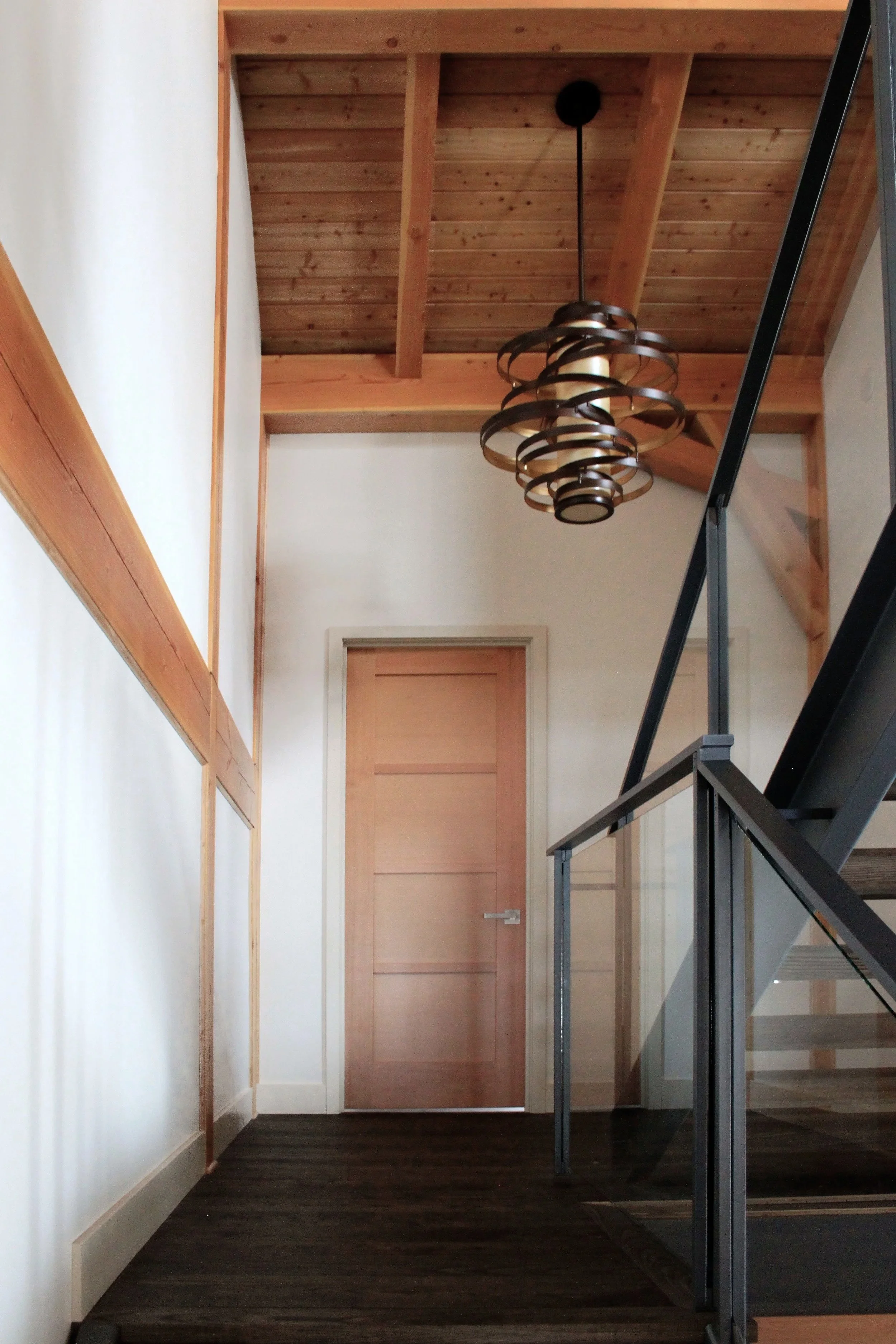
Lighting Design
The benefits of natural light are not debatable. Good design maximizes natural light in interior spaces; however, when design faces limitations, alternative lighting combinations and innovative technology can compensate, and even approach, the benefits of full-spectrum illumination. Colour temperature, colour renderings, functions, age of users, and moods desired are some factors we consider in this design process that understand the importance and principles of lighting design.
Heritage and Cultural Considerations
The modern world is home to people from diverse cultural backgrounds, ranging from indigenous peoples to settlers. However, design and architecture often overlook the cultural nuances and needs of these groups, resulting in a singular approach based on Western ideals. To create a human-centric design, it is crucial to understand the client's cultural roots, background, and heritage and reflect them in the design. This includes incorporating their usage of space, lifestyle, aesthetical preferences, and artifacts. By doing so, a design founded on cultural understanding and tradition can add another layer to a nurturing and supportive environement
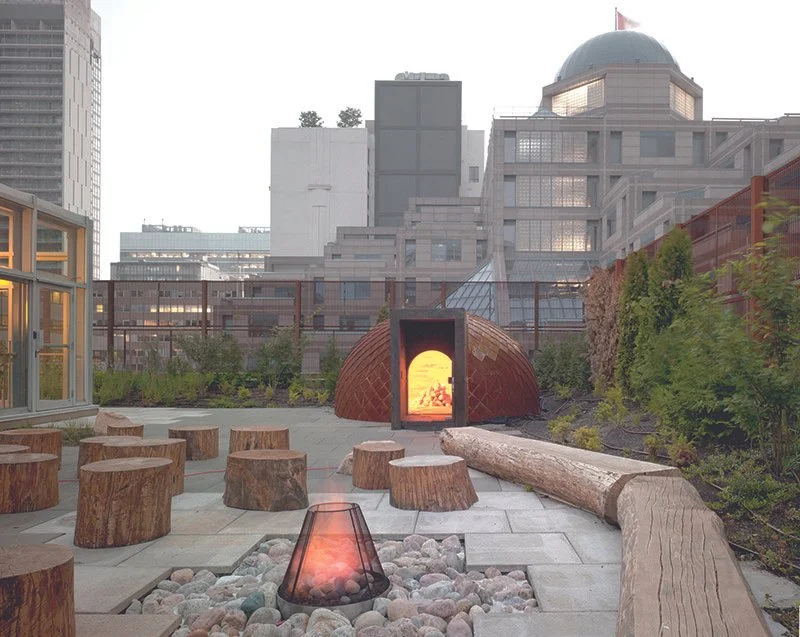
Rooftop healing lodge and fire circle at the Centre for Native Child and Family Services by LGA Architectural Partners (photo: Ben Rahn, A Frame Architecture).
Inclusive & Barrier Free
The key to a peaceful and harmonious existence is honouring and celebrating diversity, whether in the workplace, healing, gathering, or recreational places. By selecting the right design and its elements, we create inclusive and barrier-free spaces that bring everyone together, setting the stage for deep connections and narrowing the gaps between people.


Integrating Nature, Biophilic Design
An essential element of wellbeing interior design, biophilic design is about integrating nature into the interiors of every space we occupy, whether we live, work, play, or heal.
We are designed as part of the natural world, connected to its processes, rhythms, and cycles. To integrate the natural world and to enhance the human experience in the built environment, we need to engage all the senses: sight, touch, smell, and hearing.