
Trauma-informed Design
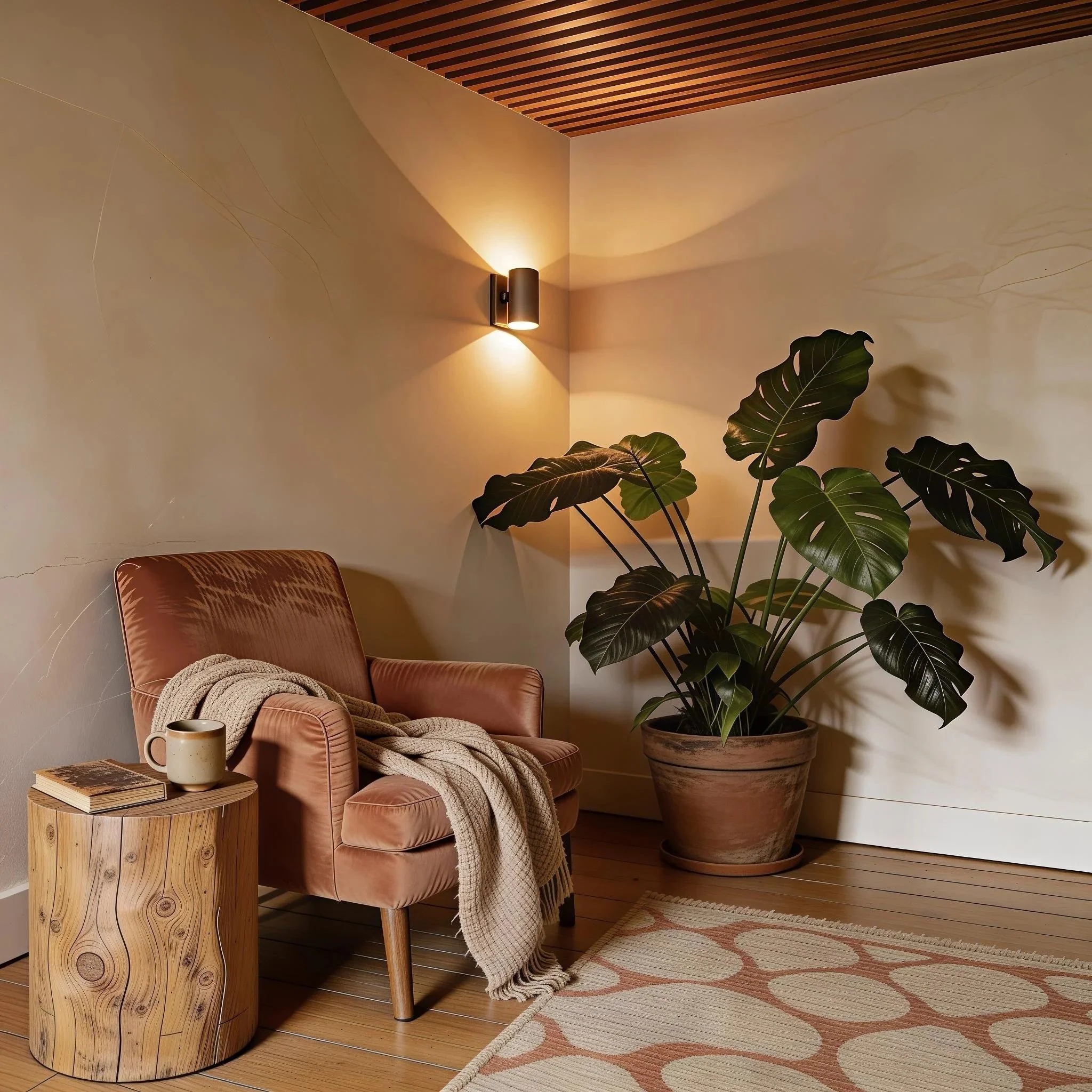
Trauma-informed design is rooted in trauma-informed care principles and puts those principles into practice through environmental psychology, human-centred interior design, and architecture
What is Trauma-Informed Design, and where it came from
Trauma-informed design draws on trauma-informed care, a framework shaped by clinical psychologists Maxine Harris and Roger Fallot in 2001 and formalized in 2014 by SAMHSA, the US federal mental health and addiction agency. Over the past decade, some designers and architects have carried those principles into the built environment. The field is still emerging. Its premise is that the body reads a room before the mind does, and a room can settle the nervous system or rouse its alarm. A woman arriving at a shelter after fleeing an abusive home may track every exit and refuse the seat with her back to a door. Trauma-informed design places safety, choice and dignity at the origin of every decision.
Who it serves
This approach serves people whose bodies still carry the effects of what they have survived: violence and abuse, homelessness, addiction, incarceration, or years of profound instability. Supportive housing providers and non-profit housing societies can use it so that a resident arriving from the street, after years without a door that locked, can trust the space is truly theirs. Shelters and transitional housing rely on it to restore a measure of choice and self-determination. The same thinking guides clinics, addiction and mental health services, and wellness centres, where the atmosphere of a first visit can determine whether someone comes back for a second. Across all these settings, the intent is the same: the physical environment itself becomes an active participant in a person's healing recovery.
What the research shows
The evidence is young and growing. A 2023 study in Psychological Services, led by Rawan Ajeen and colleagues, followed residents of two North Carolina shelters through a bedroom redesign. Residents reported significant gains in felt safety, hopefulness and readiness, and in interviews they described the change in terms of dignity.