Wellbeing in the Workplace, a conversation that includes design
Organizations are increasingly focusing on wellbeing in the workplace, recognizing the impact of physical, mental, and emotional health on employee productivity and satisfaction. Interior design is critical to this initiative because it creates spaces that support employees' well-being.
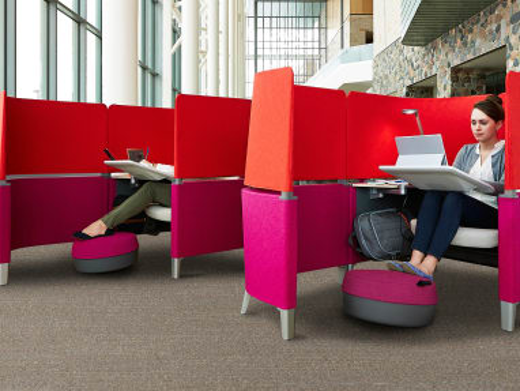
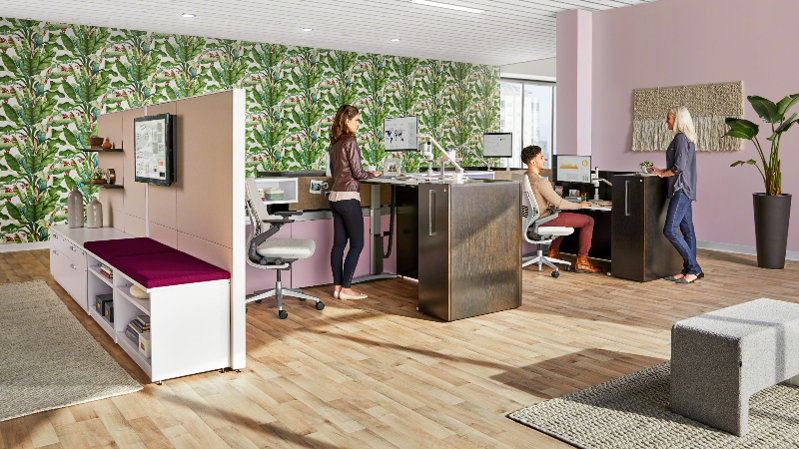
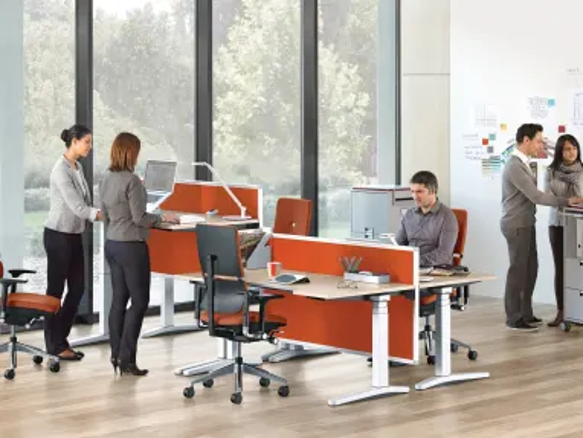
A mindfully designed workplace following wellbeing interior design guidelines fosters community, collaboration, and diversity while promoting physical health. Design considerations include ergonomic furniture, standing desks, a space plan that facilitates movement, maximizing natural light and creating lighting design to compensate for the lack of natural light, and access to green spaces or integrating natural elements indoors, all of which contribute to enhancing employee comfort and creating a healthier work environment.
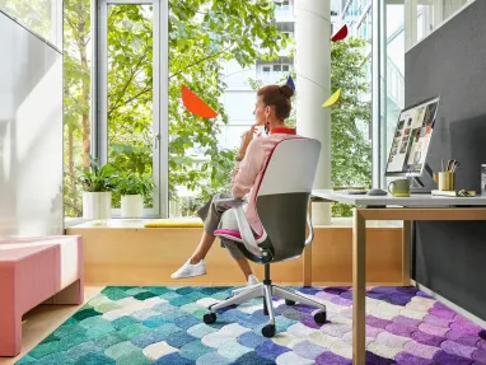
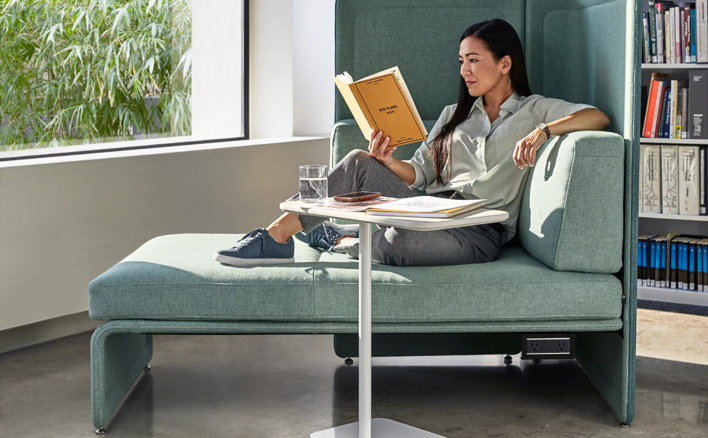
Thoughtful planning, including relaxation and recharging zones and integration of design elements that support psychological health, such as natural views, natural elements, and soothing colours, can contribute to reducing stress, enhancing concentration, and improving overall mental well-being.
The holistic approach to enhancing well-being in the workplace involves considering the impact of the physical environment, a key influencer on employee comfort, health, and happiness. Interior designers can support businesses and organizations' efforts and improve employee productivity, satisfaction, and talent retention.
We greatly depend on research in Environmental psychology to deeply understand how transforming the space design can transform employees’ experience and support businesses and organizations
From Steelcase Fruniture