
Environmental Psychology
Our physical environment can significantly impact our health and wellbeing. Environmental Psychology explores how our surroundings affect people and ways to improve our bond with the world around us.
Environmental psychology, a subfield of the broader discipline of psychology, delves into the intricate relationships between individuals and their physical surroundings. It endeavors to unravel the ways in which people discern, perceive, and hold in their memory the multitude of places they traverse. Our surroundings significantly influences our thoughts, emotions, and actions; be it the tranquility of a natural setting such as a park or a beach, or the hustle and bustle of a bustling urban landscape. Environmental psychologists probe into the ways in which architectural designs can be modified to enhance indoor wellbeing. Furthermore, they scrutinize the interplay between attitudes and behaviors and environmental concerns such as climate change and resource management. This field also encompasses the study of lighting, acoustics, crowding, territoriality, and spatial cognition.
The Settings Environmental psychology can be applied to:
Environmental psychology is applicable to a wide range of physical environments, including rooms, homes, offices, schools, neighbourhoods, parks, and cities. It encompasses the study of how individuals interact within different social settings and in isolation. This field is particularly relevant for architects, designers, and urban planners, as it provides insight into creating spaces and places that elicit positive feelings, emotions, and moods, ultimately shaping social interactions and dynamics.
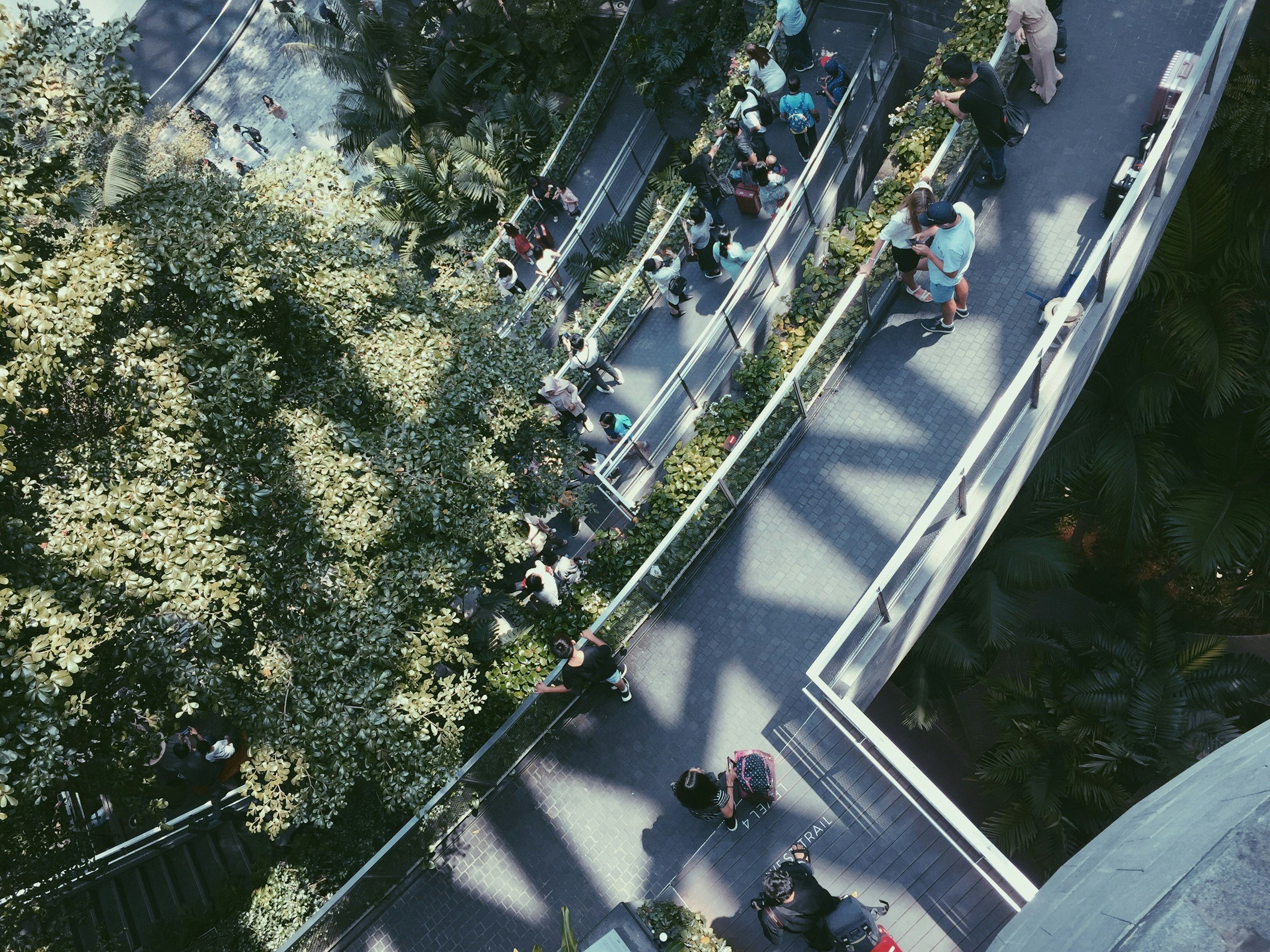
Environmental psychologists examine the impact of exposure to nature and the level of connection to it on human wellbeing. Raising awareness about the positive effects of natural environments and nature views on attention and stress reduction can contribute to promoting healthier decision-making. This understanding has driven the emergence of Biophilic Design, which is increasingly being integrated into built environments.