
Aging in Place: Barrier-Free Home Design That Feels Beautiful
Aging changes how we experience the built environment.
By age 80, a person needs about three times as much light as a young adult to read. The lens inside the eye thickens and yellows, reducing the amount of light that reaches the retina. Colour discrimination declines, particularly in the blue-yellow range, making it harder to distinguish blue from green, or purple from grey. Grip strength decreases as muscle mass and nerve function decline, affecting the ability to turn a knob or pull a handle. Hearing filters out certain frequencies. Balance becomes less reliable.
These gradual changes are distinct from conditions that require more significant accommodation: arthritis that limits joint mobility, neurological conditions that affect gait, or circumstances that call for a wheelchair or walker.
But here's what often gets lost in the conversation: barrier-free design doesn't have to look or feel clinical. When done well, it's invisible. A curbless shower can be elegant. A wider doorway can feel generous. Lever handles can be beautiful. The goal isn't to design for limitation; it's to design for life, in all its seasons.
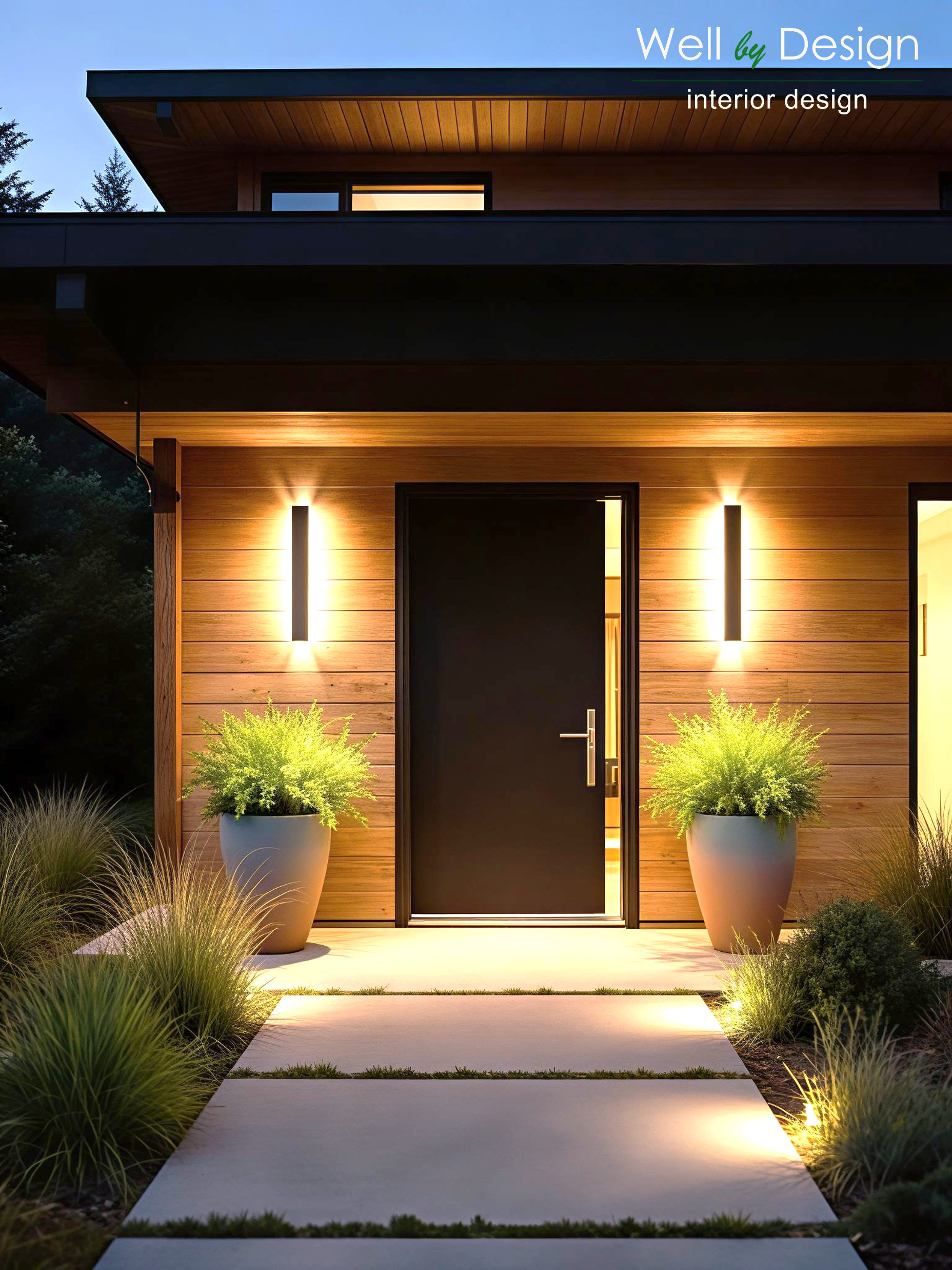
Design can respond to both. Floor plans that facilitate ease and safety. Layered lighting that supports eyes across life stages. Colour palettes with sufficient contrast for wayfinding, and door hardware suited to a range of abilities. Wide doorways, gentle stair rises and perhaps a corner that could accommodate a future elevator.
For those undertaking a major renovation or building a new home in midlife, this is the moment to think ahead.
About 15 years ago, I came across the term visitability at a symposium on accessibility. The conversation began in Germany in the early 1970s with "barrier-free" housing standards, spread to Sweden and across Europe, and eventually reached North America. Eleanor Smith, through her Atlanta-based organization Concrete Change, distilled the concept of visitability into three features: at least one zero-step entrance, doorways wide enough to navigate, and a bathroom on the main floor. The principle is straightforward: a home should welcome anyone who visits, and support its occupants as circumstances change.
When we design with foresight and care, barrier-free becomes simply good design. Homes that welcome all bodies, all abilities, all stages of life. Not because they look accessible, but because they feel like home.
With Joy & Delight!
Nora Bouz, Place Maker, Designer
I bring this way of thinking to every project, no matter the scale. See how we work with homes, cohousing and community housing