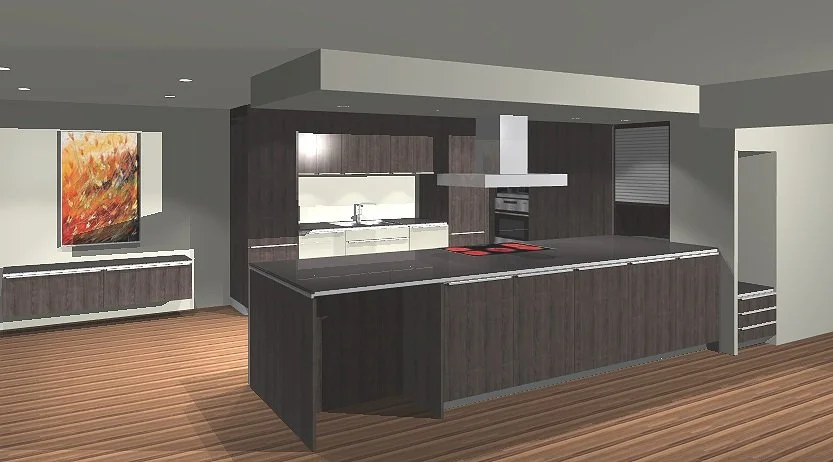
Is the “work triangle” in the kitchen imprtant?
I often get asked whether the "triangle" is the way to go when designing a kitchen. The "work triangle" story goes back to the 20s when an industrial designer was asked to create a layout to optimize the movement in the kitchen. In the 40s, a specific model was developed called the "kitchen work triangle." It was designed for one cook in the kitchen—the woman—to save motion and standardize construction, a significant cost reduction for construction.
Much has changed since then!
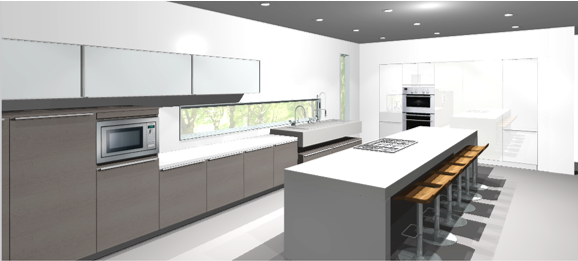
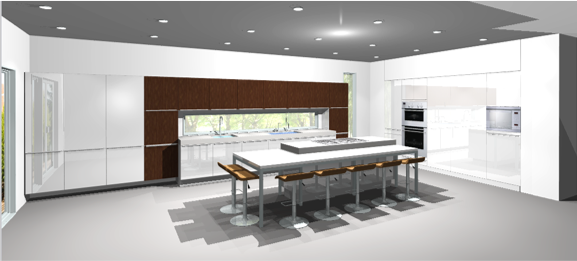
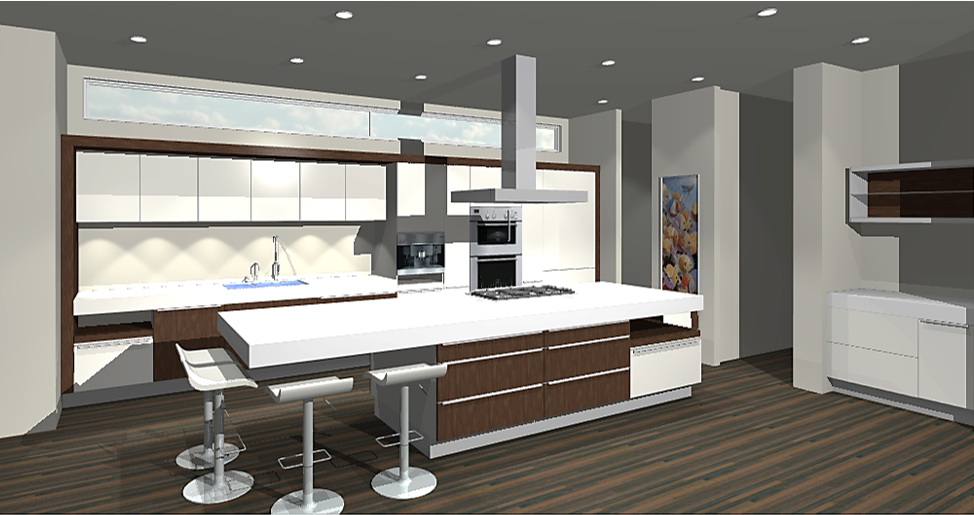
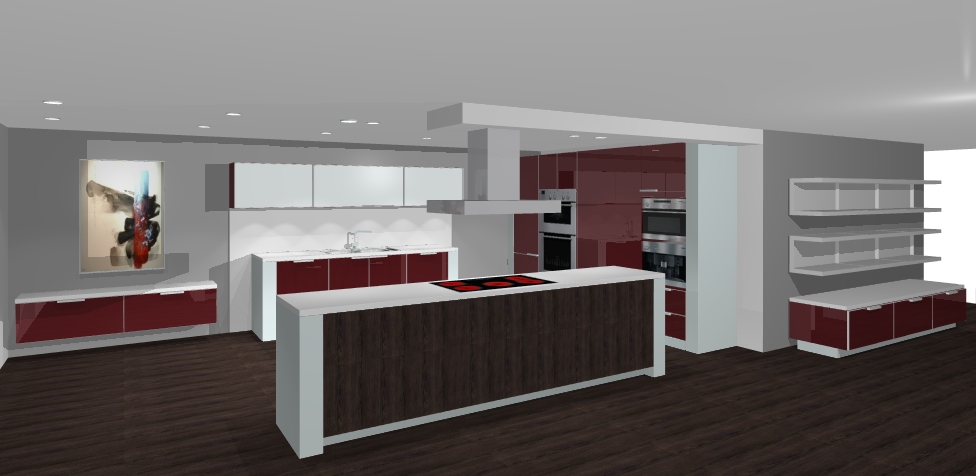
Today, the traditional 'kitchen work triangle' has given way to a more modern approach. Kitchen design now prioritizes practicality and user-friendliness over rigid layout principles, a significant shift from the past.
My journey in kitchen design began early in my career, and I was fortunate to be trained by Poggenpohl, one of the top 5 kitchen companies in the world. What I learned and continue to practice is to apply common sense. I get that everyone has their unique way of using their kitchen, even though it's designed for the same basic purposes. That's why, taking into account your personal cooking habits, preferences, and the number of people who would be cooking simultaneously, will kids be involved, and what kind of cooking will you be doing?
If I’m designing for someone who bakes, this is an additional function that is quite different from the “prep” function. It requires different heights, and some people like to use certain surfaces. Also, the ingredients need to be very handy.
So there you have it. The 'kitchen work triangle' is a thing of the past. Instead, we now apply common sense, gathering all the necessary information and ingredients to create a kitchen design that truly fits individual needs.
3D Gallery