Wellbeing in the Workplace:
Fostering a Sense of Belonging
Understanding the significance of belonging at work is crucial for creating an inclusive and equitable workplace. Belonging is not just about fitting in, but it encompasses feeling supported, connected, and respected. It involves being able to trust colleagues and leaders, feeling valued for one's unique perspective, and having the freedom to express one's true self without fear of judgment. Building a sense of belonging in the workplace can lead to improved performance, innovation, job satisfaction, and resilience in the face of challenges.
But what is the role of interior design in creating a sense of belonging?
Physical space is a significant component of efforts to foster a sense of belonging, inclusivity, and appreciation within an organization or business.
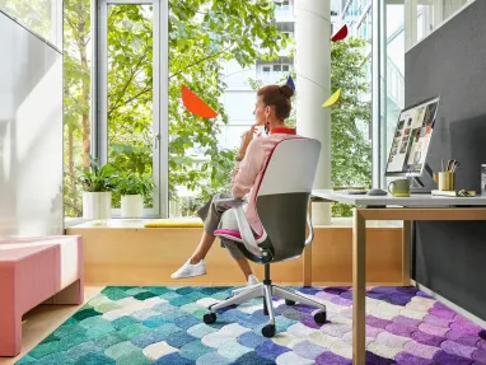
First, the visual identity serves as the foundation that encompasses its atmosphere, appearance, and essence. Establishing a visual identity through design can help create a pleasant and supportive environment that employees are drawn to.
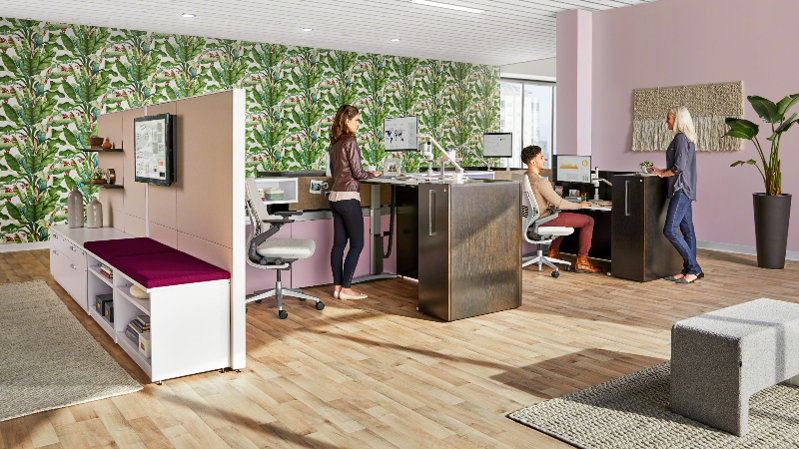
By creating spaces that support connections for team members in a warm and inviting atmosphere, using furniture arrangements, colour and objects, design supports the organization's plans and efforts in fostering meaningful and supportive connections.
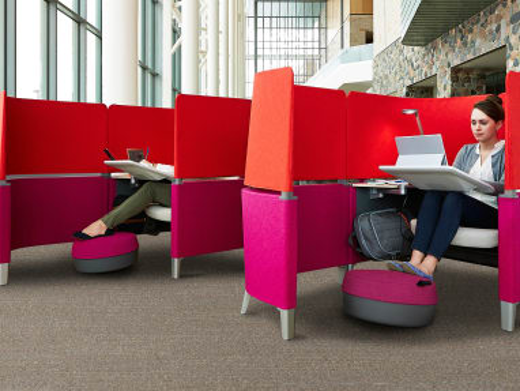
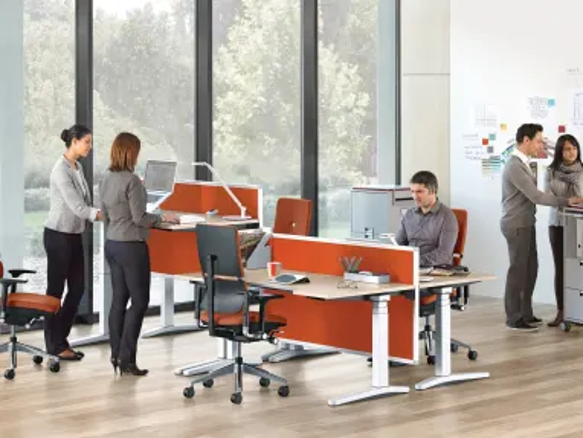
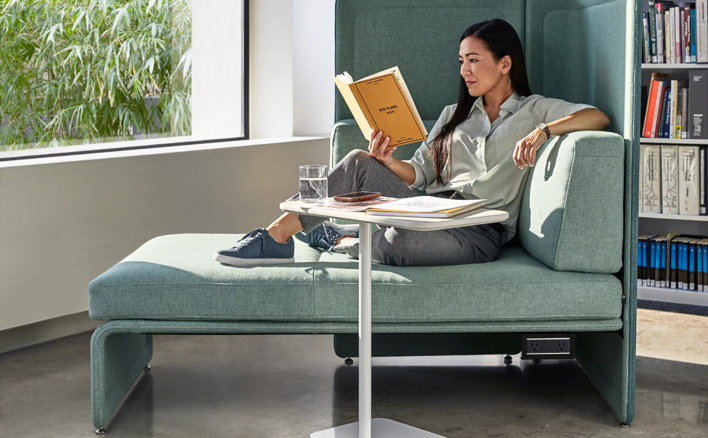
When a company invests in the physical and mental well-being of its employees, it sends a clear signal that it values them. Utilizing comfortable and ergonomically designed furniture as well as creating designated areas for concentration and relaxation through interior design reinforces this message effectively.
Furthermore, design can support cultural diversity by integrating various cultural elements and manifestations, ensuring that everyone feels at home.
Thoughtful interior design can play a pivotal role in creating an inviting environment that supports meaningful connections and a sense of belonging for all employees.
From Steelcase Fruniture